


Calisthenics Exercises
Calisthenics exercises strengthen muscles and improve endurance using body weight and gravity. These exercises improve cardiovascular fitness and support weight management.
Calisthenics Exercises
1. Push-Ups

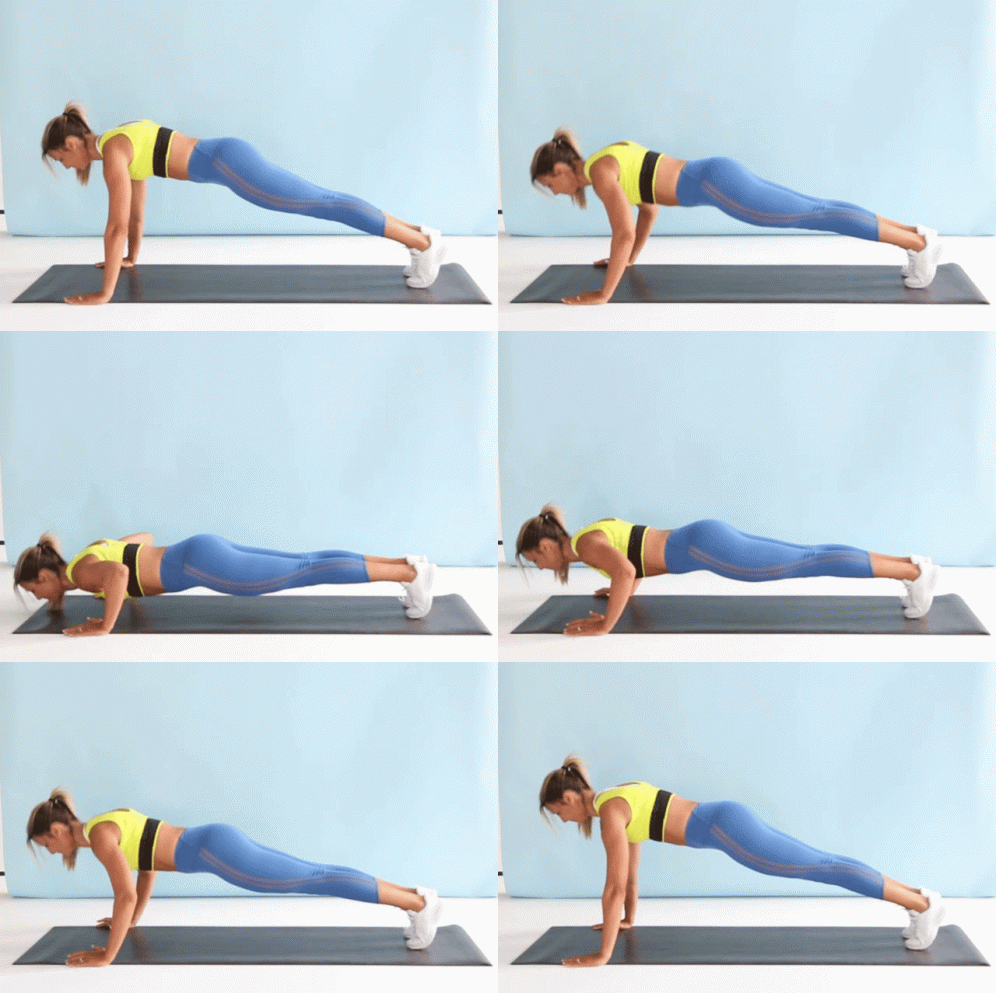
Push-ups strengthen your deltoids, pectorals, and triceps. You will also work your core and back muscles, which helps build stability:
- Lie flat on the floor with your face toward the floor.
- Place your hands a little wider than shoulder width.
- Push straight up until your arms are fully extended. Keep your core tight and your back straight.
- Lower yourself to the ground and then repeat the motion.
- Perform three to five sets of 10-20 repetitions (reps) if you can.
It’s okay to change how many reps you do if you need to work up to 20 reps. You can also modify this move by putting your knees on the ground or doing the push-ups standing and using a wall to “push up” rather than the floor.
2. Squats

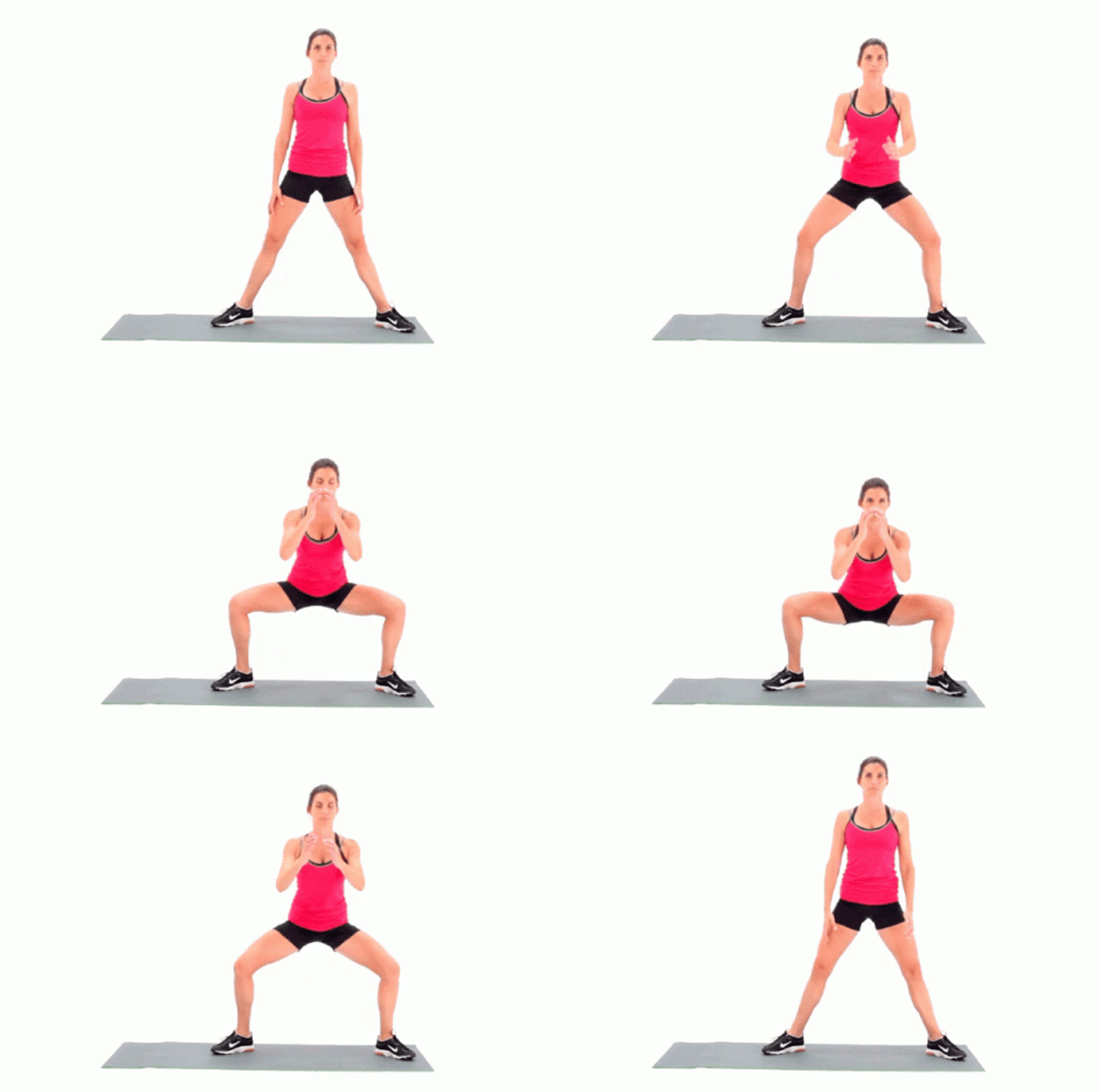
Squats strengthen your lower body, including the quadriceps, calves, gluteus maximus, and hamstrings:
- Stand with your feet about shoulder-width apart.
- Lower your hips to about 90 degrees, and keep your torso upright.
- Return to standing position and repeat.
- Perform three to five sets of 10-20 reps if you can.
You can modify how many squat reps you do to get to 20 reps. You can also modify this move if you want by using a chair. Slowly sit down and then rise again.
3. Plank

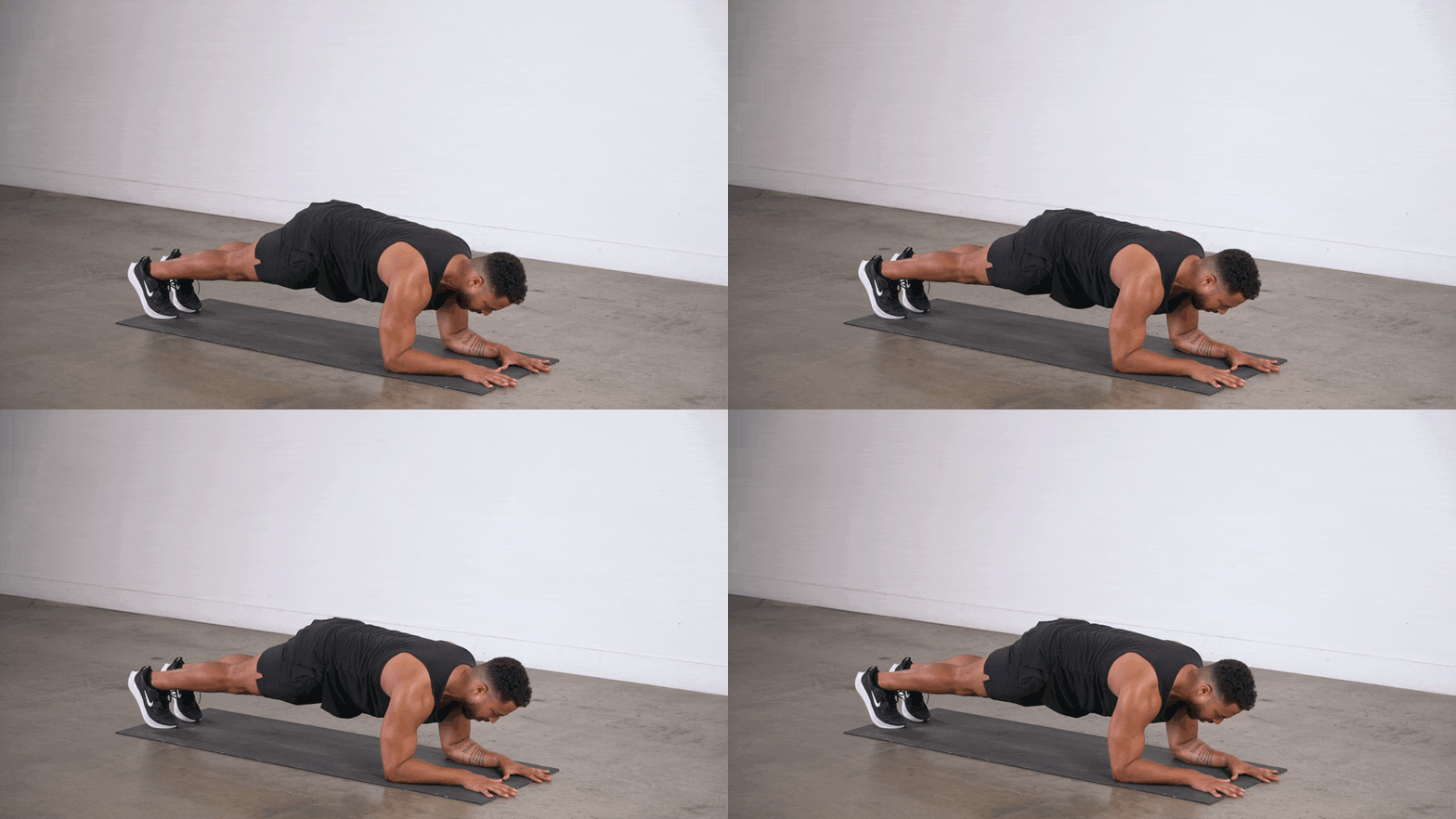
Planks target your core muscles, but they also strengthen your back, glutes, and shoulders. Core strength is essential for balance, posture, and stability:
- Begin in the “up” position of a push-up and hold your body still.
- Keep your core tight for 30 seconds.
- Do this exercise in between other exercises for three to five reps.
- Work toward a plank hold of 60-90 seconds and repeat a few times.
There are multiple ways to modify plank position, including doing a plank from your elbows, on your knees, or on one side with one arm down, legs stacked on each other, and the other arm lifted upward.
13 Plank Exercises and Variations To Strengthen Your Core
4. Lunges

- Stand in a split stance with one foot roughly two to three feet in front of the other foot.
- Keep your torso straight, your shoulders back, and your hands on your hips.
- Bend your knees and lower your body until the back knee is a few inches from the floor.
- Make sure your weight is evenly distributed between both legs.
- Push back up to the starting position, and keep your weight on the front foot’s heel.
- Perform three to five sets of 10-20 reps if you can.
5. Burpees

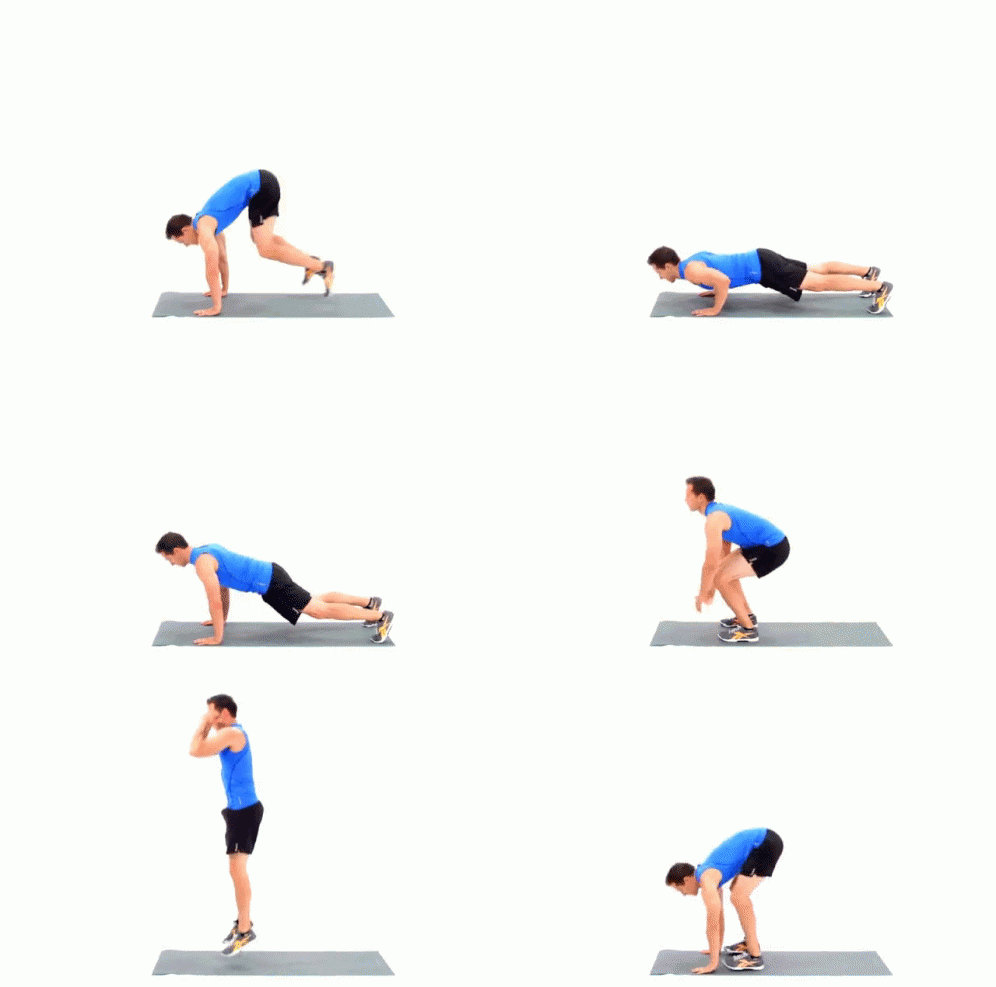
Burpees work several muscle groups, including your back, chest, core, and legs:
- Stand with your feet about hip-width apart and your arms at your sides.
- Bend down and place your palms on the floor before your feet.
- Jump your feet out behind you to assume the high-plank position.
- Keep your core tight and spine straight.
- Perform a push-up.
- Make sure your hips do not sag and keep your back from arching.
- Jump your feet outside of your hands for a squat.
- Stand up, jump, and stretch your arms above your head.
- Land with your knees bent to absorb the impact.
You can modify the burpee move by eliminating the push-up portion, just standing up instead of jumping, or stepping in and out of the plank instead of jumping. This alternative is good for people with the endurance to do burpees but not the strength to perform push-ups yet.
What Are the Benefits of Calisthenics?
Calisthenics helps build functional strength and improve your overall fitness—no matter your current fitness level or experience. This form of strength training also has several health benefits.
Boosts Mood and Well-Being
Exercise can boost mood, reduce stress, and improve your overall well-being. Calisthenics may offer additional benefits for your mental health.
Research has shown that calisthenics may reduce cognitive decline and the risk of developing dementia. Calisthenics may even be useful for improving mood in those with certain conditions like multiple sclerosis (MS) or ankylosing spondylitis (AS).
Helps With Weight Management
Calisthenics can reduce body fat while maintaining or increasing muscle mass. It also tends to be more aerobic, which may help with weight loss.9
Improves Fitness Level
Consistent use of calisthenics in your workout routine may improve cardiovascular health, including increased endurance. Research has shown you can improve your fitness level by doing high-intensity movements like burpees or mountain climbers. Fast-paced calisthenics may be equivalent to running on the treadmill or doing intervals on a track.
Improves Posture
The movements required to perform calisthenics stretch and strengthen your muscles, tendons, and ligaments. Regularly incorporating these exercises into your workout plan can improve your balance, flexibility, and posture.
Short bursts of calisthenics can be particularly useful for beginners who previously were more sedentary. One study found that breaking up sedentary time with calisthenics may increase steadiness and dynamic balance. Both are particularly important as you age.
Increases Strength
Calisthenics consistently boosts muscle strength through movement. A small study of 28 men found that calisthenics can improve strength relatively quickly.
The participants increased the number of push-ups and pull-ups they could do after eight weeks of calisthenics, even though their workouts did not include these specific exercises. Those who did not do calisthenics did not see the same improvements.
Who It’s For
Calisthenics is ideal for beginner and experienced exercise enthusiasts who want to work out without equipment. Most of these exercises rely on your body weight for resistance. You can perform these movements in short intervals in any small space.
Keep in mind that calisthenics activate multiple muscle groups and involve a lot of movement. These characteristics aid in weight management, increase heart function, and strengthen muscles.
Calisthenics can also pose some risks if you have stability issues, certain conditions, or joint inflammation. It’s an ideal full-body workout that anyone can do if done properly—and with a healthcare provider’s consent.
Tips for Beginners
Here are some tips to help you get started if you are new to calisthenics:
- Warm up and cool down before and after your workouts.
- Pay attention to your form and seek guidance if needed.
- Set clear and attainable fitness goals.
It’s also important to have a plan if you want to start doing calisthenics. Determine when you want to work and where you will do it. It also can be helpful to schedule your workouts. This way, you will be more likely to prioritize and stick to your workout.
Plan what moves you will do and for how long. It can be helpful to work with a certified personal trainer or find a video or tutorial online. Just make sure it fits your fitness level and is something you would enjoy doing.
9 Effective Ski Exercises to Prepare you for Skiing Season
6 Best Morning Routines to Lose Belly Fat
This exercise is more effective than press-ups for your upper-body
How to Lose Weight Safely and Sustainably
16 Best Foods to Add to Your Diet for Weight Loss
The Benefits of Strength Training for Musculoskeletal Health