


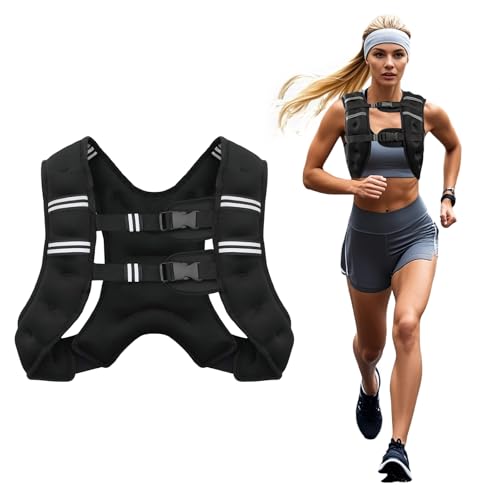
Health Benefits of Wearing a Weighted Vest
Health benefits of wearing a weighted vest , walking is already one of the best exercises for your health. It’s simple, low-impact, and easy to do just about anywhere. But if you want to take your daily walk to the next level, consider adding a weighted vest.
Looking for an easy way to supercharge your walk? A weighted vest can help you burn more calories, build muscle, and strengthen your bones—without changing your routine. Discover how this simple upgrade can transform your health!
Wearing a weighted vest while walking can help improve strength, endurance, bone density, posture, and even calorie burn. And the best part? You don’t have to drastically change your routine to get these benefits.
Related: 3 Ways Walking With a Weighted Vest Can Improve Your Health
Let’s explore how weighted vests work and why your walk might be even better with a little extra weight.
What Is a Weighted Vest?
A weighted vest is a wearable piece of exercise gear that adds resistance to your body by evenly distributing weight across your torso. It often looks like a fitted vest or jacket and can weigh anywhere from 5 to 40 pounds, depending on the model and your fitness level.
Most vests allow you to adjust the amount of weight, making it easy to progress slowly and safely.
Why Add a Weighted Vest to Your Walk?
When you add weight to your daily walk, you make your body work harder—but without adding speed, complexity, or joint strain. This makes it a great option for people of all fitness levels, including older adults, those recovering from injuries, or anyone looking to enhance their workout.
Here’s what happens and health benefits of wearing a weighted vest while walking:


1. You Improve Bone Density
Gentle pressure is created by adding a weighted vest, which can help stimulate bone growth. This is especially important for:
-
Postmenopausal women
-
Older adults
-
People with osteopenia or osteoporosis
Walking with added weight mimics weight-bearing exercise, which strengthens bones and reduces the risk of fractures later in life.
2. Cardiovascular Benefits
Your heart and lungs work a little harder to keep up when wearing a weighted vest. This boosts your aerobic fitness, which improves:
-
Heart health
Buy vitamins and supplements -
Blood circulation
-
Oxygen flow throughout the body
The added challenge helps condition your cardiovascular system—without sprinting or high-intensity workouts.
3. You Build Strength and Endurance
Adding resistance helps build muscle strength and endurance, especially in your:
-
Legs
-
Core
-
Back
-
Shoulders
Over time, these muscles become stronger, helping improve balance, reduce injury risk, and support everyday activities like climbing stairs or lifting groceries.
4. You Burn More Calories
Carrying more weight, will cause your body to use more energy to move, which means you’ll burn more calories during your walk.
Studies show that walking with a weighted vest can increase calorie burn by 5% to 15%, depending on how heavy the vest is and how fast you walk.
Bonus: You burn more even when walking at the same pace and distance you’re used to.
How Many Days Workout
5. Better Posture and Core Engagement
You naturally encourage standing up straighter and engaging your core when wearing a weighted vest as you walk. Slouching or leaning too far forward becomes harder to do when the weight is evenly distributed around your upper body.
Improved posture means:
-
Less back and neck pain
-
Better balance
-
Greater walking efficiency
6. Helps with Weight Loss Goals
If you’re walking to lose weight, a weighted vest can help you reach your goals faster. You’ll burn more fat, build lean muscle, and increase your metabolic rate, which means your body continues to burn calories even after your walk is over.
It’s a gentle but effective way to speed up your progress—no gym needed.
How to Walk With a Weighted Vest: 5 Tips
Keep your weighted walks safe and effective with the following expert tips:
- Start slow and increase gradually. Woolridge recommends starting with a vest that weighs 5 to 10 percent of your body weight and walking 10 to 20 minutes twice weekly. Going heavier or further may increase your risk of injury. “Each week you can increase either weight, duration, or frequency as tolerated,” Woolridge says. Follow the 10 percent principle, she suggests. For example, if you’re using an adjustable weight vest (where you can add weight to customize the load), add another 1 or 2 pounds. Or, add two or three minutes onto your walk. If you’ve been taking two walks per week, are feeling good and recovering well, add a third walk the next week.
- Wear it right. The weighted vest should fit comfortably while walking. “Make sure the vest fits snugly with the weight distributed evenly, so you don’t feel pulled down on one side or the other,” says Woolridge.
- Maintain healthy posture. “Good, upright posture is very important to avoid injury or excess strain on the back,” Woolridge says. Make sure you can stand upright without feeling as if your shoulders are being uncomfortably pulled back or forward.
- Avoid chafing. Wearing a weighted vest that fits well may keep the fabric from rubbing against the skin and causing chafing. However, it may help to wear a moisture-wicking shirt that prevents the vest from making contact with bare skin.
- Stay hydrated. It’s essential to pay attention to hydration when wearing a weighted vest, especially in hot weather. Your body loses fluids through sweating, and losses are higher when exercising in the heat. If you lose fluids faster than they’re replaced, you may experience signs of dehydration, such as headache, fatigue, and dizziness. Drink roughly 5 to 10 ounces of plain water every 15 minutes while exercising outdoors to stay hydrated.

Choosing the Right Weighted Vest
When shopping for a vest, consider:
-
Adjustability: Look for vests with removable weights so you can customize resistance.
-
Fit: It should feel snug but not tight. You should be able to move freely.
-
Breathability: Look for lightweight, ventilated materials to keep you cool.
-
Balance: Choose a vest that distributes weight evenly across the front and back.
Things to Keep in Mind
Before you strap on a weighted vest, here are some safety tips:
-
Start light: Begin with a vest that adds no more than 5–10% of your body weight.
-
Focus on form: Walk with good posture—head up, shoulders back, core engaged.
-
Listen to your body: If you feel joint pain or discomfort, stop and adjust.
-
Avoid ankle or wrist weights: These can place unnecessary stress on joints.
-
Check with your doctor: Especially if you have a heart condition, back problems, or are recovering from injury.
Bonus: Mental Health Perks
Walking with a weighted vest doesn’t just benefit your body—it can also help clear your mind. Many people report feeling:
-
More focused
-
Less anxious
-
More energized
The gentle resistance can create a grounding sensation, which may be calming for those dealing with stress or sensory sensitivity.
13 Best Way to Relieve Stress and Improve Your Well-Being
Quick Reminder
Adding a weighted vest to your daily walk is a simple but powerful way to boost your health. From burning more calories to strengthening your bones and improving posture, the benefits add up—literally with every step.
And the best part? You don’t need a gym, trainer, or fancy routine. Just put on your vest, lace up your walking shoes, and head out the door.
How to do a Reverse Crunch Correctly
Advanced Core Exercises to Sculpt Those Abs