



Isometric Holds
What Are Isometric Holds?
Isometric holds, an isometric exercise is a muscle contraction performed without visible movement at the joint. Instead of repeatedly bending and straightening, you create tension and hold a position.
For core training, that usually means resisting movement. Your abdominal, back, hip, and pelvic muscles work together to keep your spine and pelvis from excessively arching, rotating, or bending to the side.
Start with about 10-20 seconds per hold and repeat two to three times. Build toward longer holds only if you can maintain good form.
A strong, stable core supports nearly everything you do, from walking and exercising to lifting groceries and maintaining good posture.
While many exercises can build core stability, isometric holds are especially useful because they challenge your muscles without requiring repeated movement.
By keeping your muscles contracted as you hold a position, these exercises can improve spinal control, balance, and stability during workouts and everyday activities.
1. Side Plank
:quality(85):upscale()/2024/03/13/798/n/1922729/f260b38d65f1ec0e2ee000.82199530_.jpg)

The side plank trains the muscles along the sides of your trunk, especially the obliques, which help resist side-bending and rotation.
Here’s how to do it:
- Lie on your side with your elbow under your shoulder.
- Lift your hips until your body forms a straight line.
- Keep your chest facing forward and hold.
Tip: Bend your knees and keep them on the floor for an easier version.
2. Dead Bug Extension Hold
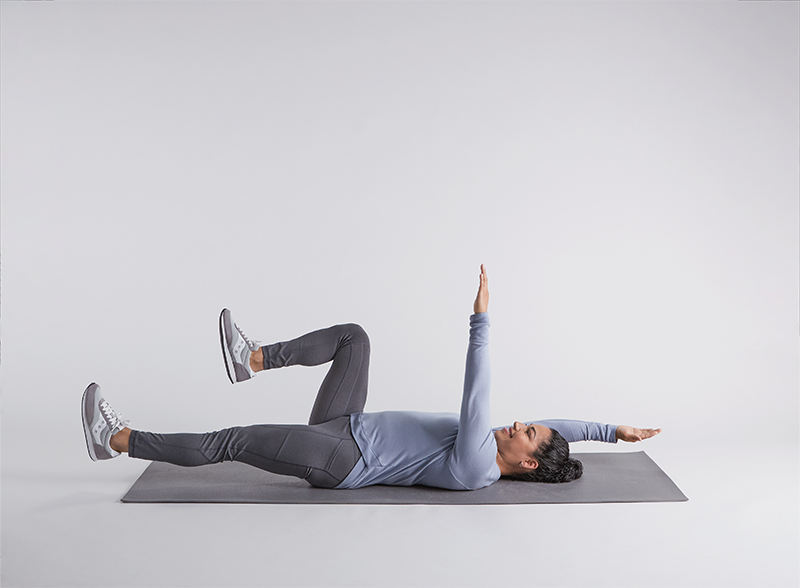

The dead bug helps you learn to control your lower back and pelvis while creating tension through your arms and legs. Research has found that dead bug variations activate deep abdominal muscles involved in lumbopelvic stability.
Here’s how to do it:
- Lie on your back with your hips and knees bent to about 90 degrees.
- Extend your right arm and left leg at the same time while keeping your back pressed into the floor.
- Hold once fully extended for as long as you can, and then switch sides, making sure to breathe throughout the hold.
Tip: If the extension is too hard, simply get into the 90-90 dead bug position, brace your core, press your back into the floor, and hold.
8 Move Kettlebell Core Workout for a Stronger Midsection
3. Bird Dog Hold
:quality(85):extract_cover()/2024/03/27/856/n/1922729/tmp_xfkRNq_bec7523a5f364cb6_PS23_Fitness_Workout_12_Move_10_Bird_Dog.jpg)

The bird dog teaches your core to stay steady while your arms and legs move, similar to what your trunk does during walking and many daily activities. It’s also an effective exercise for back pain.
Here’s how to do it:
- Start on your hands and knees.
- Extend one arm and the opposite leg.
- Hold without arching your lower back or rotating your hips, then switch sides.
Tip: Make sure your back stays flat when you extend the arm and leg. You can add a yoga block to your lower back to cue your pelvis and back to remain neutral.
4. Single-Legged Glute Bridge Hold
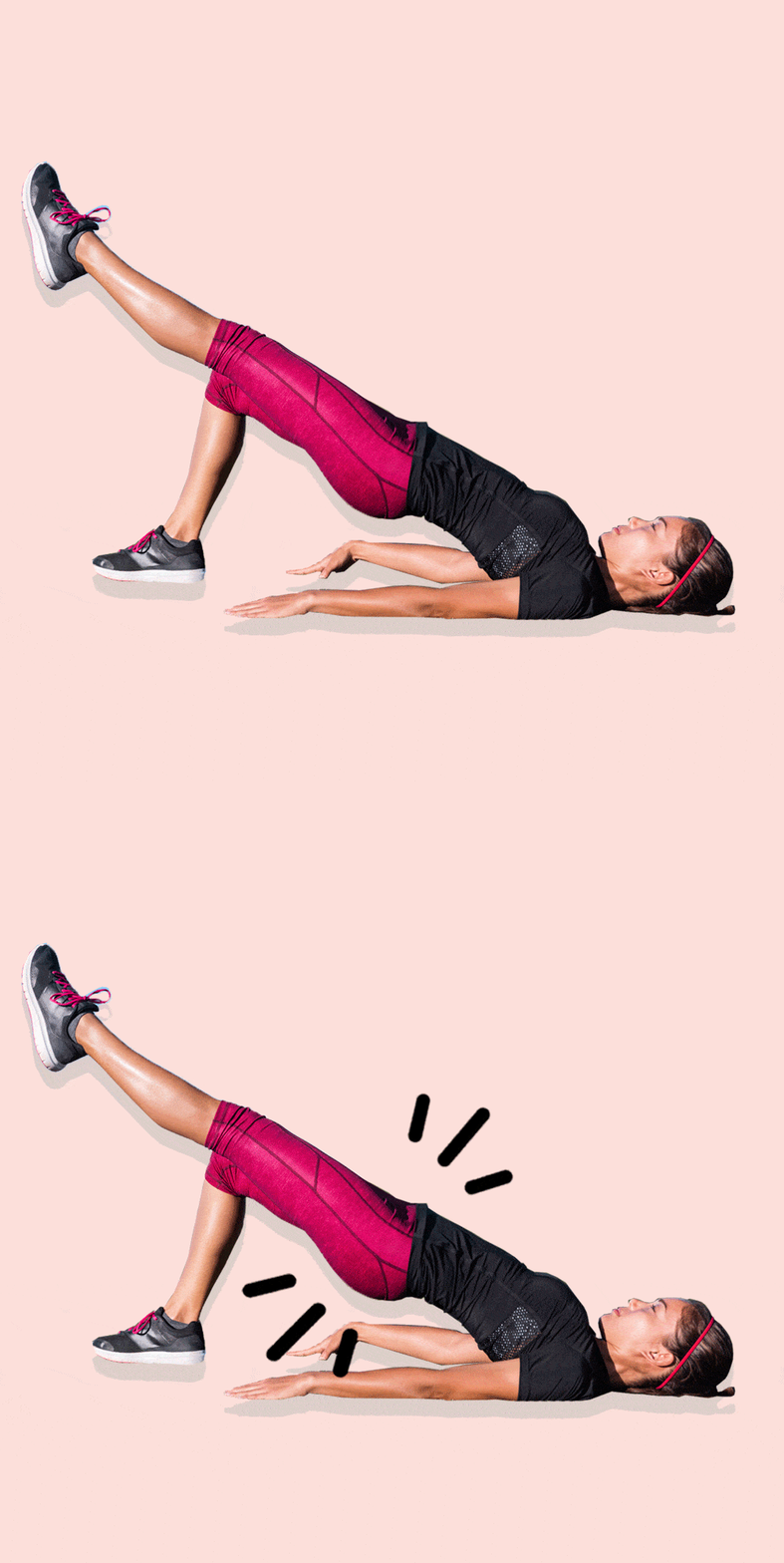

A bridge hold works your glutes while your core muscles stabilize your pelvis. Though not typically thought of as a classic core exercise, muscle-activity studies show that bridge variations recruit several core muscles, with more challenging versions increasing the demand on some core muscles.
Here’s how to do it:
- Lie on your back with your knees bent and feet flat.
- Brace your abs, squeeze your glutes, and lift your hip by pressing your foot into the floor.
- Hold without over-arching your lower back, then switch sides after you finish.
Tip: If single-legged is too hard, keep both feet planted until the basic bridge feels easy. The single-leg version can be the progression.
5. Forearm Plank
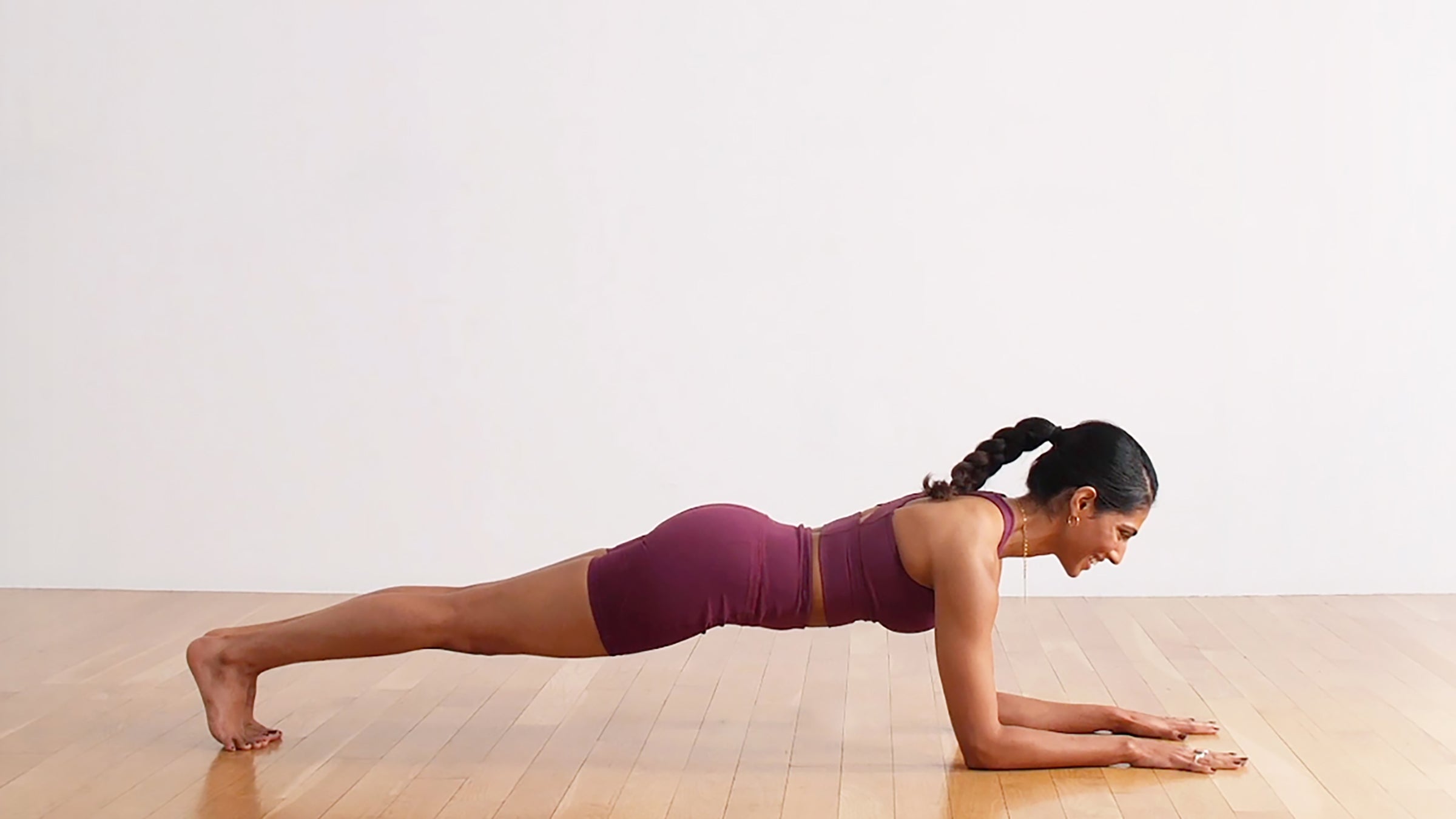

The forearm plank challenges the front of your core while your trunk muscles work together to keep your spine stable.
Here’s how to do it:
- Place your forearms on the floor with your elbows under your shoulders.
- Extend your legs behind you and come onto your toes.
- Brace your abs and glutes, keeping your ribs and pelvis stacked.
Tip: Keep breathing during your hold. Try the move from your knees if you find your lower back can’t stay neutral.
6. Wall Plank


The wall plank is one of the easiest places to start because it lets you practice bracing without getting down on the floor.
Here’s how to do it:
- Place your forearms or hands on a wall and walk your feet back.
- Keep your body in a straight line and tighten your abs and glutes.
- Hold while breathing normally.
Tip: The farther your feet are from the wall, the harder it gets. A kitchen counter is a good next step.
How To Do Isometric Holds Safely at Any Age
Age alone doesn’t determine which core exercises you can do, but orthopedic health and medical history should guide your starting point. Isometric exercises are generally safe, but can place tension on your lower back if you aren’t doing them correctly. They can also temporarily raise blood pressure during the contraction, especially as effort increases.
A practical, safe way to start isometric exercises is to add one at a time to your workout routine. If your body reacts okay, you can start layering more in or increasing the number of sets or difficulty.
Most importantly, don’t chase the clock. A clean 15-second hold with perfect form is more useful than a 60-second hold where your back sags, your shoulders hurt, or you’re holding your breath.