

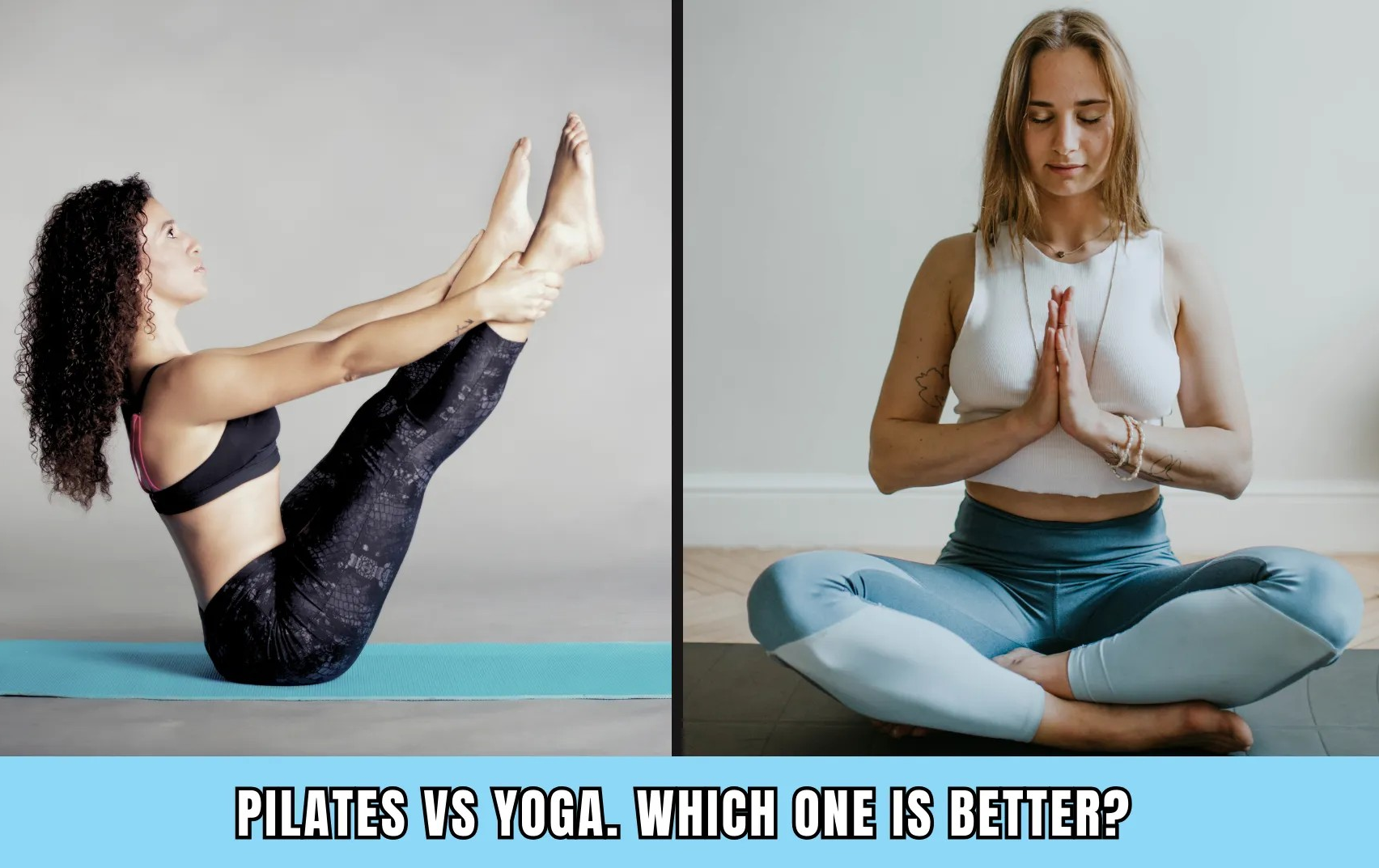
Comparing Pilates and Yoga
Comparing Pilates and yoga, both yoga and Pilates can increase strength, build flexibility, and improve balance. However, the two practices have very different purposes.
Pilates primarily focuses on improving mobility, building strength, and alleviating pain. Yoga prioritizes the mind-body connection while also improving mobility and strength.
Determining which practice is better for you will depend on your health goals and personal preferences. Your healthcare provider can help you determine which is best based on your health and fitness levels.
13 Best Way to Relieve Stress and Improve Your Well-Being
How To Choose Between Pilates and Yoga
Both Pilates and yoga are low-impact bodyweight exercises with several health benefits. They are well-suited for people who want to improve mobility, build strength, and alleviate pain. Choosing between the two will depend on your goals and preferences, available classes, and the cost of classes.
Pilates is typically a good option for people who want to improve their posture, build core strength, and recover from injuries. Yoga is ideal for those looking to develop a mind-body connection, improve flexibility, and increase balance.
10 Stretching Exercises for Seniors for Full-Body Flexibility

Different types of yoga may offer different health benefits. For example, faster-paced vinyasa yoga may help support heart health.
Pilates vs. Yoga Practices
Joseph Pilates developed Pilates in the early 1900s for World War I soldiers and gymnasts recovering from injuries. He later introduced the method to dancers, who popularized the practice.
Yoga is an ancient practice involving different poses (asanas), breathing techniques, meditation, and sometimes other spiritual activities. It provides a workout while developing a mind-body connection.
There are many types of yoga, each using different techniques and poses to accomplish a specific goal. Very little equipment is needed for yoga, but some people use yoga mats, blocks, and other equipment to help with poses.
Physical Practice and Techniques
Both yoga and Pilates are accessible to people of all ages, body types, and fitness levels. They also require little equipment—just a mat in some cases—and can improve balance, core strength, and flexibility. Yet, there are some slight differences in their practices.
Yoga
There are more than 13 types of yoga, but the most popular include hatha yoga, vinyasa flow, hot yoga (Bikram), and prenatal yoga.
When practicing yoga, you focus on movements and poses along with breathing. The goal is to synchronize your movements with your breath in a continuous flow. You can practice yoga at home or attend a class with a certified instructor to learn proper technique and form.
Yoga has many poses or asanas, each with a different purpose. A few popular poses include:
- Child’s pose: To do this pose, kneel, sit on your heels, and keep your feet together and your knees spread apart. Lay your forehead on the mat and extend your arms straight in front of you. This common resting pose relieves back pain and stretches your back, hips, and thighs.
- Cat-cow pose: This pose involves getting on your hands and knees and alternating between flexing (rounding your spine up and tucking your chin down) and extending (dropping your belly button to the floor and looking up at the ceiling) your back. It’s designed to improve your spine’s flexibility and prepare you for other movements. A yoga class may begin with this movement.
- Downward-facing dog: In this pose, you’ll position your body in an upside-down V-shape, with your hands and feet on the floor. This stretches your hamstrings, calves, and shoulders while strengthening your core and stabilizing your back. You’ll often return to this pose throughout a yoga flow.
Related: Advanced Core Exercises to Sculpt Those Abs
Pilates
You can do Pilates at home by following an online app or program. You can also attend a mat or reformer Pilates class, where an instructor can teach you the correct forms and techniques. Many studios offer beginner-level classes for people using a reformer machine for the first time.
One of the most popular Pilates exercises is “the hundred.” This dynamic warmup for your abs and lungs requires you to coordinate your breath with the movement. You make 100 beats with your arms while holding your legs extended and your head and shoulders off the mat.
Another popular movement is the bridge pose, which involves lifting your hips in the air while keeping your shoulders and feet on the ground. This pose targets your glutes, hamstrings, inner thighs, and obliques. You can add variations for more of a challenge, such as dipping your hips, lifting your heels, or lifting one leg at a time.
Health Benefits
Both yoga and Pilates can benefit health by building flexibility and strength, promoting better movement, and decreasing pain. The practices can also positively influence your mood and overall well-being.
9 Exercises To Strengthen Your Core and Support Pain-Free Movement
Benefits of Yoga
Practicing any type of yoga can provide several health benefits:
- Helps with weight management: A study of 60 women who were overweight or obese found that practicing yoga may offer long-term weight loss benefits. The study also found that women with high initial weight loss after starting yoga saw greater improvements in mindfulness, self-compassion, and distress management than women with high initial weight loss from nutrition changes.
- Reduces symptoms of depression: Several studies have found that practicing yoga can improve mental health by decreasing symptoms of depression, reducing stress, and managing anxiety.
- Decreases frequency of tension headaches: Some research shows that regularly practicing yoga may reduce how many headaches you have and how long your headaches last.
- Expands range of motion: Yoga combines a variety of movements, poses, and deep breathing, which has a direct effect on your flexibility and balance, improving your range of motion.
- Alleviates low back pain: Some research has found that consistently practicing yoga and using proper movements can reduce chronic back pain.
Signs and Symptoms of Stress
Benefits of Pilates
Pilates was created to help soldiers and athletes recover from injuries. Consequently, this exercise helps improve movement, balance, and strength. Health benefits include:
- Enhances quality of life: One small study found that women who did Pilates twice a week for six months experienced significant improvements in their quality of life.
- Manages pain: Several studies have found that Pilates can help manage pain associated with fibromyalgia (body-wide muscle pain and fatigue) and osteoarthritis (joint breakdown). Another study found that pregnant people who participated in Pilates twice a week during pregnancy had improved labor, lower blood pressure, and more flexibility.
- Reduces anxiety: A research review found that practicing Pilates can help reduce symptoms of anxiety and depression, decrease fatigue, and boost energy
- Builds core strength and posture: One study found that people who completed two Pilates sessions weekly over three months improved lower body strength and postural balance. Another study found that the exercise helped strengthen abdominal muscles in postmenopausal women.
- Improves functional movement: Functional movements help you complete everyday tasks like walking, sitting, standing, and carrying things. One study found that people who practiced Pilates for one hour three times a week for eight weeks scored higher on their functional movement screenings than those who practiced yoga for the same time. The Pilates group also had increased balance, stability, and mobility.
13 Plank Exercises and Variations To Strengthen Your Core
10 Best Ab Exercises for Your Core
Safety Precautions
Pilates and yoga are generally safe, low-impact activities. You can protect yourself from injury by ensuring you perform the movements correctly and not pushing your body beyond its limits.
Give your body time to rest and recover. Common yoga injuries include sprains and muscle strains, which can happen from doing a level or intensity of activity your body isn’t ready for. Here are ways to prevent injury and ensure you get the most from your exercise:
- Talk to a healthcare provider to determine if either exercise is right for you
- Choose a class that aligns with your skill level, especially if you are a beginner, and look for certified instructors
- Stay hydrated; drink water before, during, and after class
- Start slow and pay attention to your body’s cues, stopping if you feel pain
Quick Reminder
Pilates and yoga are low-impact bodyweight exercises that can improve flexibility, strength, and mobility. Choosing one depends on your goals and preferences, but the two practices offer similar health benefits.
Both workouts will help manage pain, boost mood, and improve well-being. To prevent injury, listen to your body and choose a class that fits your experience and fitness level. You can also talk to a healthcare provider to determine which is right for you.