



Sensory Overload
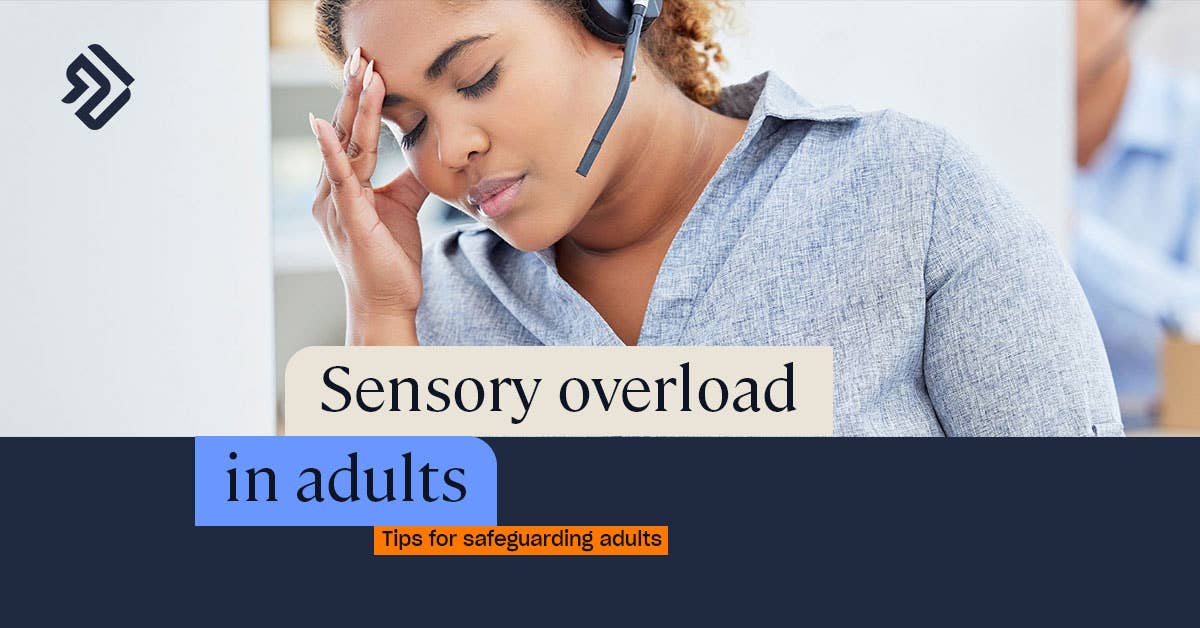
Sensory overload occurs when some form of stimulus—like a loud sound, itchy tag, or smelly perfume—overwhelms your ability to comfortably process what you’re experiencing.1 If you’re experiencing sensory overload, you might feel the need to escape or find it difficult to communicate your needs. Sometimes, sensory overload can become extremely overloaded, making it easy for your brain to shut off other functions like speech, information processing, and decision-making.
Anyone can experience sensory overload, with researchers estimating that 5% to 16% of people deal with it yearly. But it is much more common in people who have sensory processing conditions such as autism spectrum disorder (ASD) or attention deficit hyperactivity disorder (ADHD).
Sensory Overload Symptoms
The symptoms of sensory overload can vary from person to person and manifest in varying intensities. Some people may be sensitive to lights and sounds, while others might be bothered by touch from people or scratchy clothing. Common symptoms of sensory overload include:
- Difficulty focusing due to excessive sensory inputs
- Grouchiness or irritability
- Overly excitable or wound-up
- Covering your ears or shielding your eyes
- Restlessness or discomfort
- Stress, anxiety, fear, or overwhelm
- Trouble controlling emotions
- Wanting to escape or run away
- Talking faster or louder or not talking at all
- Inability to communicate
Causes
Sensory overload often occurs when too many stimuli are directed at one or more of the five senses—sight, taste, touch, smell, and sound. In fact, any alteration in a person’s environment or surroundings can lead to sensory overload. Examples include bright lights, extremely sour food, scratchy clothing, potent perfumes, or loud sounds like a fire engine or ongoing thunder.
This stimulus can become difficult for you to manage or process, so your system can become overloaded. This is also the case if stimuli are ongoing, such as repeated tapping of a pencil or the lingering smells of cooking food. Eventually, this input to your senses alters how you think and behave, leading to symptoms. Sensory overload can thus make it easy for you to feel irritable, restless, and anxious.
13 Best Way to Relieve Stress and Improve Your Well-Being
Risk Factors
While anyone can experience sensory overload, people with certain conditions may be more at risk. Having a history of the following conditions may raise your risk of experiencing sensory overload:
- Autism
- ADHD
- Schizophrenia
- Alzheimer’s disease
- Parkinson’s disease
- Epilepsy
- Sleep disorders
Diagnosis
Sensory overload isn’t considered an official condition in the Diagnostic and Statistical Manual of Mental Disorders, Fifth Edition (DSM-5) or the International Classification of Diseases, Tenth Edition (ICD-10), which makes diagnosis a bit difficult. If you’re experiencing repetitive bouts of sensory overload, however, it’s still important to see your primary care or mental healthcare provider for support. They can observe your behaviors and symptoms and recommend treatment.
However, the Interdisciplinary Council on Developmental and Learning Disorders Task Force included sensory processing disorder in its Diagnostic Classification of Mental Health and Developmental Disorders of Infancy and Early Childhood. They developed a multidimensional classification system designed to help people who are trained in the functional and emotional development of babies and young children identify symptom patterns.
However, using the manual is controversial. In 2012, the American Academy of Pediatrics issued a policy statement advising pediatricians not to use sensory processing disorder as an independent diagnosis. They suggest that healthcare providers should instead consider other developmental disorders such ASD, ADHD, or anxiety disorder.8 Part of this could be related to the fact that sensory processing issues could resolve as a child ages and develops, or early diagnosis could result in missing other developmental conditions.
On the other side of the debate, though, researchers argue that science supports sensory processing disorder as its own diagnosis, particularly after studying the white matter of the brains of children with sensory processing symptoms. Regardless of whether sensory overload is a stand-alone diagnosis or part of another recognized condition, people who experience sensory overload can experience profound distress and behavior changes that need proper support and treatment.
6 Best Brains Hacks That will Boost Your Mental Health

How To Manage Sensory Overload
Most treatments for sensory overload involve some type of therapy with a trained mental healthcare provider. During therapy sessions, you can learn how to identify, prepare for, and respond to challenges that excess stimuli present. Several approaches can help manage sensory overload, which includes the following:
- Occupational therapy: This type of therapy is designed to help with other concerns that may accompany sensory processing, such as improving fine or gross motor skills. It also can help determine what other tools might be needed to help you cope with sensory overload in your everyday life, such as when you cook or go to social events.
- Sensory integration therapy: In a controlled environment, a therapist exposes you to different stimuli in fun or non-threatening ways so that you can learn how to manage these stimuli in other settings. Eventually, the coping skills you learn can become regular responses to stimuli that you encounter.
- Sensory diet: This approach involves creating a list of sensory activities that you perform each day to help you stay focused and organized. Typically, this “diet” is customized to meet your needs and may include taking a walk every hour, using fidget toys, or listening to calming music while you work.
Prevention Tips
Because sensory overload can be different for everyone, it’s important to know what triggers you to feel overloaded. For some people, it might be bright or flashing lights, while others feel overloaded by noisy environments. Oftentimes, people develop sensory overload when too many stimuli are stimulating the senses.
Prevention strategies for sensory overload aren’t one-size-fits-all, but these tips may help:
- Recognize which stimuli trigger you
- Use headphones or move to a quiet room if you’re overwhelmed by loud environments
- Wear loose-fitted, tagless, and soft clothing if certain fabrics feel scratchy or itchy
- Take sunglasses or other protective eyewear when you’re in situations with bright lights
- Carry a mask or step outside in situations where aromas feel too overwhelming
- Choose foods and restaurants that you’re used to and comfortable with eating
Structure and routines can also help prevent sensory overload because they are predictable and let you know what will happen next. This way, your brain is prepared for the stimuli it will face, like smells on a city street or repetitive honking by passing cars. Also, use sensory diets to become more accustomed to sights, sounds, smells, tastes, and touches that you might encounter regularly.
However, it’s also important to learn to appreciate your way of viewing the world. Your heightened senses actually allow you to perceive things more intensely and in a different way than other people. Learning to capitalize on your heightened senses can foster creativity and should not be dulled or suppressed but instead channeled appropriately through creative expression.
Living with sensory overload can feel frustrating, especially because symptoms can affect your mood and behavior. You might notice that you’re moving too much or experiencing volatility because of how overwhelmed you feel. Sometimes, sensory overload can also heighten anxiety and fear or lead to anger and aggression. Ultimately, these feelings can reduce your quality of life, affect your daily activities, and prevent you from social situations and seeing your loved ones.
It’s also worth noting that a tendency toward sensory overload can affect the type of care you receive in healthcare settings. For example, your reactions, emotions, and behaviors can be misinterpreted by your healthcare provider, which may prevent you from communicating with them properly or asking questions about your health.
How to Sleep Better, Faster, Longer
A Quick Review
Sensory overload occurs when you have trouble processing and managing certain types of stimuli that affect one or more of your five senses: taste, sight, touch, smell, and sound. If you feel overstimulated, you can develop symptoms of sensory overload, such as irritability, difficulty communicating, and trouble concentrating. However, psychotherapy and occupational therapy can help you develop coping skills and recognize when to avoid triggers.