


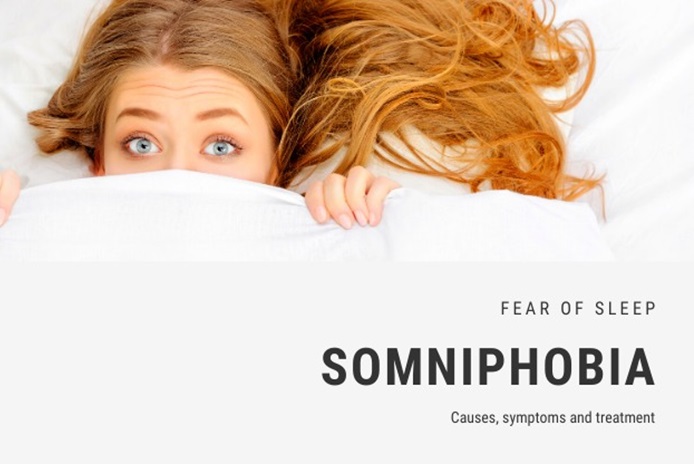
Somniphobia( Fear of Sleep)
Somniphobia is a fear of sleep. It’s a specific phobia, a common anxiety disorder involving intense and irrational fear of something unlikely to be dangerous or harmful. If you have somniphobia, you have little control over your anxiety response when you think about or are confronted with sleep.
About 9.1% of adults in the United States have had a specific phobia in the past year, and 12.5% experience one at some point in their lives. However, the exact number of people who have somniphobia as a phobia is unknown.
If you have somniphobia, you may feel anxious about sleep and try to avoid it. While experts don’t fully understand the cause of somniphobia, effective, evidence-backed therapies are available to treat the phobia and help you live with less anxiety.


Somniphobia Symptoms
Living with somniphobia involves an overwhelming fear of going to sleep that frequently occupies your thoughts. You may think about sleep all the time and worry about bedtime long before it arrives.
Somniphobia may also lead you to change your behavior. You may delay going to sleep or use distractions at bedtime, like leaving on the lights or a television show. It’s also common to experience symptoms of anxiety and panic.
Here are some possible symptoms:
- Unreasonable fear of sleep
- Muscle tension or jitteriness
- Heavy sweating
- Tremors or twitches
- Difficulty breathing or shortness of breath
- Pounding or racing heart
- Nausea, upset stomach, or diarrhea
- Anxiety and panic attacks
- Restlessness or irritability
- Headaches and fatigue
Causes
Experts are unsure what causes specific phobias, including somniphobia. Some experts speculate there may be a genetic component, while others have said traumatic experiences are the root cause.
For instance, many studies have found a connection between post-traumatic stress disorder (PTSD) and somniphobia. Researchers suggest that the nightmares common in PTSD may lead to a fear of sleep. Another potential cause could be that during sleep, people with PTSD can’t remain hyper-vigilant, and fear of dying or other danger while asleep can create anxiety. Ultimately, experts don’t know for sure what causes somniphobia, and it’s likely different for everyone.
Risk Factors
If you have a family member with a specific phobia, you have an increased risk of developing one as well. Some research suggests that being exposed to another person’s phobic response can teach you to internalize that fear, as well.
Not all people who develop somniphobia have risk factors for a phobia.
Diagnosis
Specific phobias are listed in the manual that healthcare professionals use to diagnose mental health conditions, called the Diagnostic and Statistical Manual of Mental Disorders (DSM-5). According to the manual, people with a specific phobia have an excessive fear that causes an anxiety response or avoidance of the trigger—in this case, sleep.
To be categorized as a phobia, your symptoms need to meet the following criteria:
- Limit your ability to function
- Have persisted for at least six months
- Not be caused by another mental disorder
If you suspect you have somniphobia, you may want to meet with your healthcare provider, like a licensed mental health professional, for a diagnosis. They will likely ask about your fear, how long you’ve had it, how intense it is, and how it affects you.
Treatments for Somniphobia
Somniphobia is treated with psychotherapy. Here’s a closer look at the different types of therapies that may be used:
- Virtual reality: Therapists can use technology to help you face your fears without leaving your meeting space. Virtual reality is a type of exposure therapy, and it may be particularly useful for specific phobias. Some research suggests this therapy is as effective as cognitive therapy and can improve outcomes.
- Exposure therapy: Many phobias are treated with exposure therapy, or exposure and response prevention therapy (ERP therapy). This involves gradually exposing you to the thing that triggers your fear with support from your therapist in a safe environment. This is generally considered the gold standard for treating phobias. Research shows it’s successful up to 90% of the time.
- Cognitive behavioral therapy (CBT): This approach involves learning to recognize negative thoughts that contribute to your fear. Once you notice these thoughts, you can use strategies to change them. Your therapist will teach you these strategies and help you change any harmful behaviors that contribute to your fear. CBT might be used with exposure therapy.
- Mindfulness therapy: Mindfulness-based stress reduction (MBSR) is a CBT-based therapy that aims to reduce stress and anxiety by improving how you manage emotions. Your therapist will help you learn to pay attention to the present moment. Research suggests that mindfulness therapy can reduce emotional reactions and negative thinking.
-
Your healthcare provider may also prescribe medications like antidepressants and anti-anxiety medications to complement your therapy, but medication alone is rarely successful in treating specific phobias.
How To Prevent Somniphobia
There’s no way to prevent somniphobia, but you can get highly effective therapy to help you learn to manage your symptoms. A licensed therapist can teach you coping strategies that can help prevent your fears from consuming your thoughts and behaviors.
Most people in therapy for a mental health condition start to feel better and can better manage their symptoms in less than a year. One study found that half of the people in therapy felt better after just eight sessions, and 75% of people felt better after six months. Specific phobias may be even more treatable, especially using exposure therapy.
Treatment can take time, and you might not experience immediate relief. If you don’t feel a connection with your therapist or if you feel like the treatment isn’t working for you, you’re welcome to find a new mental health professional. You might need to meet with several therapists before finding one who understands your unique needs.
Complications
Somniphobia can lead to other health and mental health complications. For example, living with a specific phobia can put you at risk for other mental health conditions like depression. It may also increase the number of healthcare provider visits you make. Research has shown that people with anxiety disorders tend to use the healthcare system more frequently and have more physical symptoms like pain, weakness, and shortness of breath.
Untreated somniphobia may also cause sleep deprivation, which could impact your health and well-being. Sleep deficiencies have been linked to illnesses, including heart disease, high blood pressure, diabetes, and stroke. Lack of sleep can also increase your risk of injury through falls, car crashes, and other injuries.
How Self-Care Can Enhance Your Mental Health
4 Best Health Hacks for Seniors