

Best Time To Take Pre-Workout for Maximum Energy
Best Time To Take Pre-Workout for Maximum Energy, pre-workout supplements are designed to boost your energy and focus during a workout so that you can improve your athletic performance. However, taking your pre-workout at the right time is crucial if you want to see maximal results.
When To Take Pre-Workout
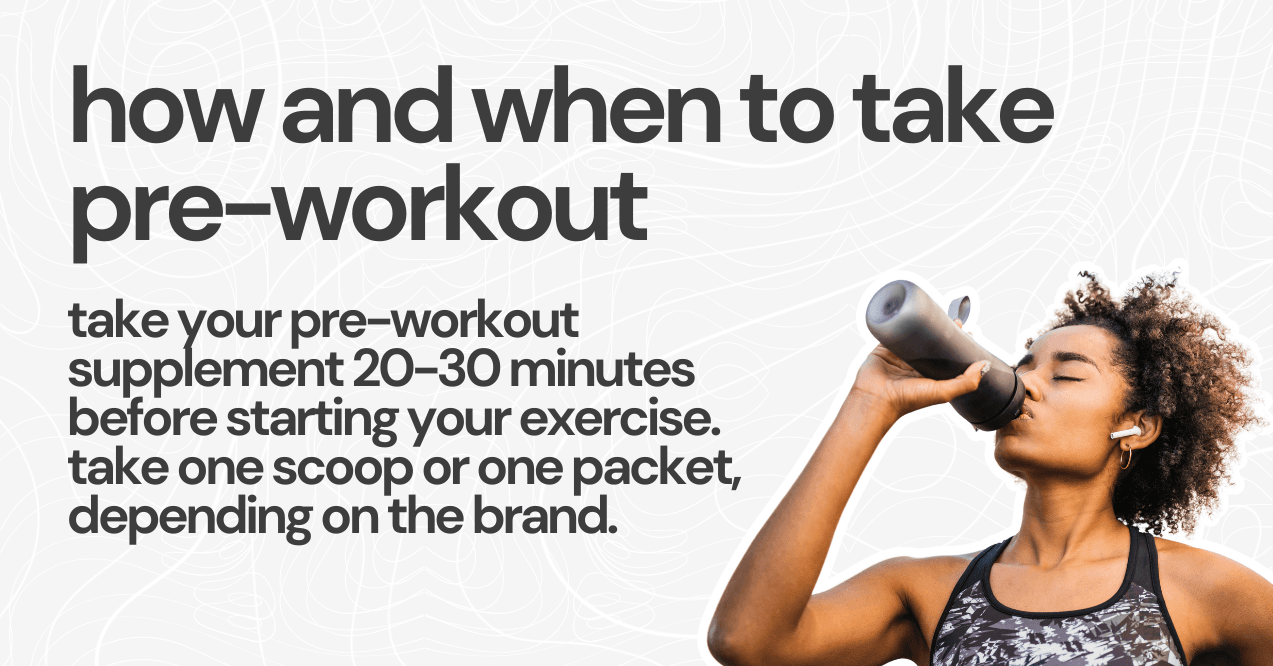
As the name suggests, pre-workout is intended to be consumed before your workout. Each product has its own directions for use, but usually, products should be taken 30-60 minutes before exercise. In one recent review, all included studies used slightly shorter dosing windows of 30-40 minutes.
Pre-workout supplements, meant to provide a short-term performance boost, are typically sold in powdered drink form and contain ingredients such as:
- Caffeine: One of the most common ingredients in pre-workout, caffeine is included to temporarily boost energy and focus.
- Creatine: This compound increases your energy capacity and helps limit protein breakdown, promoting muscle growth.
- Vasodilators: Niacin, citrulline, L-carnitine, or other additives are often included to dilate your blood vessels, aiding in oxygen flow to the muscles.
- Beta-alanine: This amino acid may be able to help mitigate muscle fatigue while you’re working out.
- Beets or betaine: Beetroot powder or juice is sometimes added to pre-workout supplements to increase oxygen in the muscles and promote steady energy. Others contain betaine, an amino acid derived from beets, that is meant to help decrease fatigue and increase muscle mass.
Factors Influencing Your Pre-Workout Timing
Finding the ideal timing for your pre-workout supplement depends on a number of factors, from the product’s formulation to the type of workout you’re doing, and may require some experimentation. Consider the following when planning your pre-workout routine.
1. Metabolism
Pre-workout supplements may kick in at different times for different people depending on how their body breaks down nutrients. This process of converting nutrients into energy—called metabolism—depends on your age, gender, diet, and other factors, and it impacts how quickly your body can access the compounds in your pre-workout.
To optimize results, someone with a faster metabolism may want to consume pre-workout closer to the beginning of their gym session, while someone with a slower metabolism may want a larger window of time between taking their supplement and working out.
2. Workout Type
While taking caffeine 30 minutes before an explosive workout—like strength training or a game of pick-up basketball—can help with power and focus, endurance athletes preparing for a long, sustained effort may want to take their pre-workout a little earlier.
A research review found that long-distance runners who consumed caffeine 45-60 minutes before their run experienced a boost in performance even though they felt like they were putting in less effort.
3. Fueling
The ingredients in pre-workout supplements, particularly caffeine, are absorbed faster when taken on an empty stomach. If you exercise first thing in the morning before having breakfast, you may feel the effects of pre-workout sooner than if you were to take the same dose after eating or before an evening workout.
4. Ingredients
Pre-workout ingredients can kick in at different times, so it’s best to check the label and do a little research. For example, one study found that participants had faster muscle contractions and greater muscle stiffness when they consumed caffeine 30 minutes before a workout as compared to 60 minutes before a workout.
However, if beetroot or niacin are the primary ingredients in your pre-workout, you may want to allow more time. Multiple studies show that having beetroot juice 2-3 hours before a workout is linked to improvements in strength and endurance.
What To Know Before Starting a Pre-Workout Supplement
When used as intended, pre-workout supplements are generally safe for most people. But before you introduce one into your fitness regimen, it’s best to take the following steps:
- Exercise caution later in the day: For evening sweat sessions, you may want to skip pre-workout or choose one with a lower caffeine content. Caffeine stays in your system for about five hours, so consuming pre-workout later in the day could interrupt your sleep. However, each person’s sensitivity to caffeine is different, so avoiding caffeine in the evening isn’t always necessary.
- Loop in your doctor: For people with medical conditions or those who take prescription drugs, it’s important to get in touch with your doctor before starting a pre-workout supplement, as some ingredients may be contraindicated. For example, high amounts of caffeine can be dangerous for those with high blood pressure, and green tea extract may interact with certain drugs that treat high cholesterol, osteoporosis, and high blood pressure.
- Remember more isn’t always better: Follow the manufacturer’s dosing directions and resist any urge to “optimize” your results by taking more pre-workout than what’s recommended. For example, high doses of creatine can cause gastrointestinal distress and too much caffeine can lead to anxiety or dehydration.
- Look for third-party certification: Supplements are not regulated by the Food and Drug Administration (FDA) in the same way as other products are. This means manufacturers can make unchecked claims about your pre-workout’s ingredients or benefits. Taking any kind of supplement carries some risk. But when shopping for pre-workout, look for certification logos from third-party organizations like NSF and Informed Choice that test to make sure supplements meet quality and safety standards.
- Watch out for proprietary blends: Like secret recipes for supplement companies, proprietary blends are products that don’t have their ingredients fully disclosed on the packaging. This prevents other companies from duplicating the product, but it also means consumers don’t know exactly what they’re ingesting. To stay safe, it’s best to use pre-workouts that clearly list all of their ingredients on the label.