

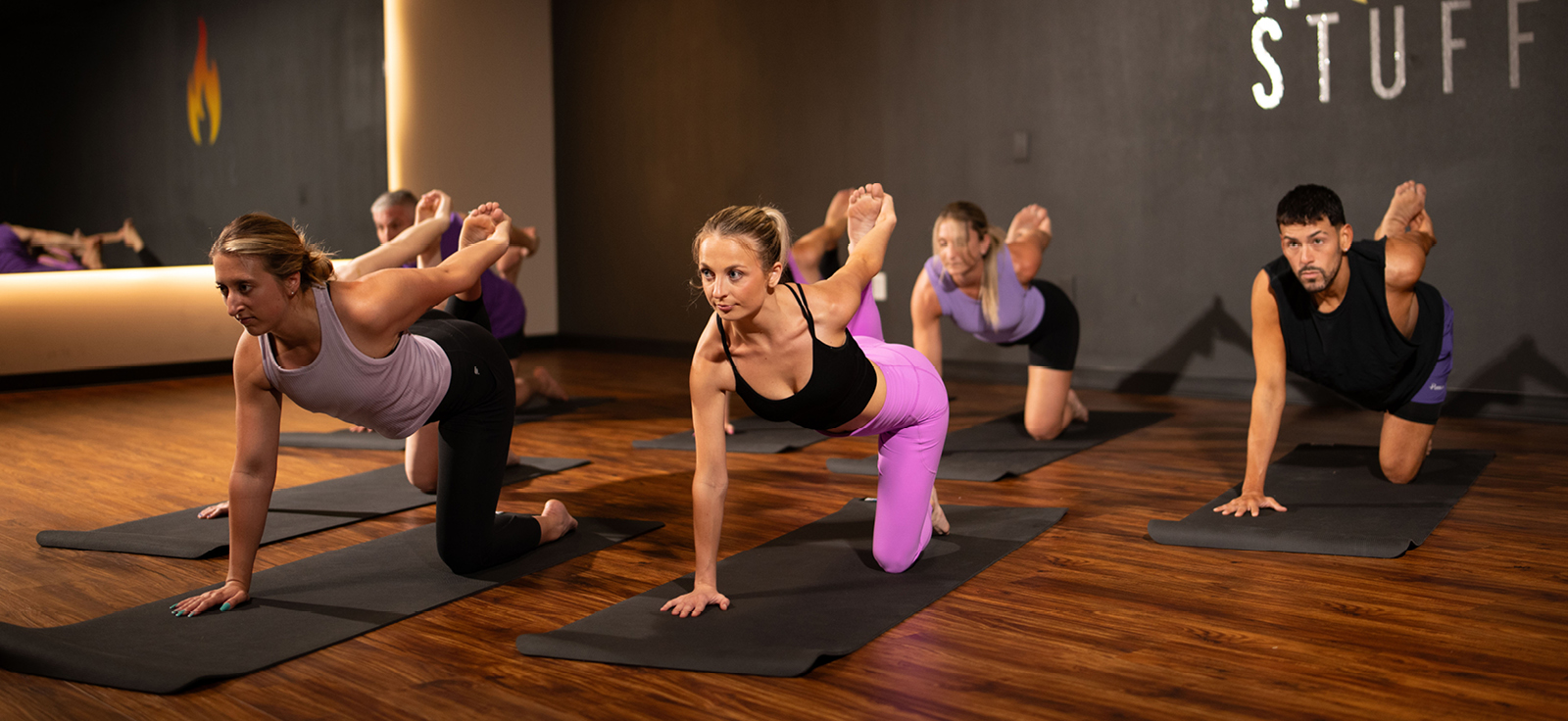
Types of Hot Yoga and Their Benefits
Types of hot yoga and their benefits, hot yoga is performed in heated rooms of 85-105 degrees Fahrenheit. This environment is thought to decrease stress and improve your flexibility.
What Are the Different Styles of Hot Yoga?
While any type of yoga, some styles are more commonly known as hot yoga.
Here are a few popular types you might find in your community:
- Moksha (or Moda) Yoga: Created in 2004 by two Canadian yoga instructors, Ted Grand and Jessica Robertson, this type of hot yoga includes 40 different poses based on traditional yoga. While Moksha yoga is fitness-focused, it also incorporates stress management.
- TriBalance Hot Yoga: With this type of yoga, the temperature tends to be higher than a Bikram class, reaching up to 110 degrees Fahrenheit, but also has lower humidity. TriBalance does not have a set series of poses and uses dim lighting to encourage a more inward focus.
- Hot Yin Yoga: Held in a room that’s 95 degrees Fahrenheit, this type is a bit cooler. It also combines the more meditative approach of Yin yoga with hot yoga and includes fewer postures held for three to five minutes to help release deep tissues, fascia, ligaments, joints, and bone.
- Bikram: Developed by Bikram Choudhury in the 1970s, this hot yoga practice involves a 26-pose sequence that takes place in a room that’s 105 degrees Fahrenheit. The goal of this yoga session is to use the high temperature to induce profuse sweating and loosen your muscles.1
- Hot Power Yoga: This type combines two popular forms of yoga: hot and power. Practiced in a room that’s usually between 85 and 100 degrees Fahrenheit, hot power yoga is fitness-focused and can be challenging for beginners.
Many independent yoga studios also offer their own style of hot yoga. Check out the studio beforehand and talk to the instructor to find out the room temperature and the types of moves used.
How Can It Improve Your Health?
The benefits of hot yoga are similar to those of traditional yoga. Yoga can decrease stress, ease lower back pain, help relieve depression, and lower your risk of heart disease and metabolic syndrome.
Here are some of the potential benefits of hot yoga:
- May promote fat loss: A 2020 study found that hot yoga may increase fat metabolism compared to traditional yoga. However, researchers noted that hot yoga did not significantly increase aerobic requirements or energy cost compared with traditional yoga.
- May decrease stress: A small 2017 study showed that Bikram yoga can manage stress, especially for those who have significant daily stress. A 2018 study found that Bikram yoga can lower perceived stress and improve quality of life.
- May improve skin texture: Research shows that hot yoga can increase your skin’s moisture content and improve its elasticity and texture. This may help slow down premature aging.
- May improve flexibility: A 2019 pilot study found that yoga in a sauna at 122 degrees Fahrenheit led to significant improvements in the flexibility of healthy older adults. Participants also showed mild improvements in their strength and balance.
- May help build strength and bone density: Research on Bikram yoga shows it can improve lower-body strength, range of motion, and balance.
- May improve mental health: A 2019 study found that Bikram yoga improved mental health and overall quality of life in people with trauma from persistent pain. Participants also had improvements in physical function and heart rate variability. The retention rate for Bikram yoga was 94% compared to 75% for high-intensity interval training (HIIT).
Who Should Avoid Hot Yoga?
Although hot yoga offers a number of potential health benefits, it takes place in extremely high temperatures, which can put you at risk for dehydration and heat illnesses.
Pregnant people are typically advised not to participate in hot yoga (or hot pilates) due to the risk of overheating.13 Evidence suggests that there’s an increased risk of neural tube defects and other malformations in fetuses exposed to excessive heat.
Hot yoga may also pose risks for those with certain health conditions, such as:
- Cardiovascular disease
- Heat intolerance
- High blood pressure
- Asthma
Talk with a doctor about whether or not hot yoga is safe for you.
What the Science Says: A study on Bikram yoga found that participants had elevated heart rate and core body temperature. Bikram yoga postures focus on balance and strength rather than cardiovascular training. So, it was the extreme heat that was causing these increases.
Researchers also found that the sweat produced by people was insufficient to cool their bodies. This can be dangerous for people with certain health conditions.
How Can You Start Safely?
Most experts recommend trying more traditional yoga classes before participating in a hot yoga class. Subjecting your body to a new form of exercise in extreme heat could make you more prone to injury or other complications.
If you are not used to high temperatures, it will take your body some time to adjust. Choose a studio that allows you to go at your own pace and take breaks when you need to.
You may even want to attend a few classes without participating—just to let your body acclimate to the heat.
Other tips to consider as you start hot yoga:
- Hydrate your body with at least 16 ounces of water or other fluids (without caffeine) two hours before class.
- Weigh yourself before class to determine how much water you need to replace.
- Choose clothing that will keep you cool and will not become slippery.
- Bring a towel, a large water bottle, and a non-slip mat.
- Go at your own pace and listen to your body, stopping if you need to.
- Hydrate your body throughout class by drinking before you become thirsty.
- Know the signs of heat exhaustion and heat stroke, and get help if needed.
American Council on Exercise. ACE study examines the effects of Bikram yoga on core body temps.
- Consume enough fluids after exercise to return to your original body weight.
- Bring a few layers to bundle up in, because you may feel extremely chilly after leaving class.
- Remember that heat makes your muscles looser and more flexible. Be careful not to injure yourself after class.
Помощь можно получить анонимно, с аккуратным оформлением и внимательным отношением к личным данным.
Разобраться лучше – [url=https://vyvod-iz-zapoya-v-novorossijske1.ru/]срочный вывод из запоя в новороссийске[/url]
Hi everyone, I’m planning a trip to Radazul and was hoping to get a jet ski for some thrills on the water. [url=https://jetskitenerifesur.top]alquilar motos de agua en tenerife[/url] However, I keep getting contradictory information about whether you need a specific license or previous experience to rent one here. Some booking sites say no license is demanded, while others are stricter. Could anyone outline the actual rules or share official details on this? I came across this article, but would really be grateful for any firsthand knowledge to better figure out the requirements. Thanks in ahead!