


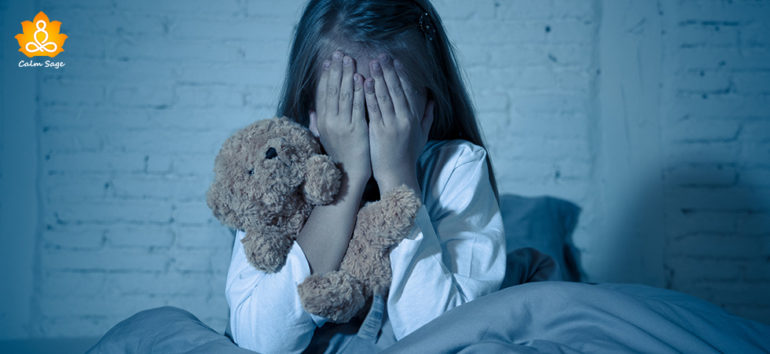
Nyctophobia
Nyctophobia (or having a fear of the dark or nighttime) is often common among children, but some adults can be affected, too. This fear can cause intense anxiety that affects your daily life and functioning.
Nyctophobia is a type of specific phobia that occurs when you have an extreme fear of a situation, even if there’s no immediate threat. As a result, you may notice changes in behavior, such as avoiding social situations in dark settings or refraining from going out at night.


Nyctophobia Symptoms
People with nyctophobia may go the extra mile to avoid situations that will make them stay in the dark and experience anxiety when they’re in the dark without an adequate light source. Symptoms tend to be more severe in children, but the severity in adults varies from person to person.
This fear may cause some or most of the following symptoms and behaviors:
- Tension and nervousness when in a dark place, such as a movie theater or forest
- Physical symptoms of anxiety, such as shaking, sweating, rapid heart rate, dizziness, and trouble breathing
- Fear of being in the dark
- Anxiety at the thought of being in the dark
- Sleep disturbances
- The need to keep the light on while sleeping
- Avoiding going out at night
What Causes Nyctophobia?
Several things can play a role in the onset of specific phobias, such as including childhood experiences, parenting behaviors, genetics, and differences in brain structure.
More specifically, nyctophobia can occur for these three common reasons:
- Cultural differences: Certain cultural folk tales and stories highlight the dangers of the darkness or paint it as evil, which can make you afraid of the dark. In one study, children from the West Indies and the Middle East showed a much higher rate of nyctophobia than most white American children, indicating that traditions, beliefs, and storytelling across different cultures can play a role in your likelihood of developing nyctophobia.
- Modeling: Modeling is a mechanism that causes you to internalize someone else’s fear or reactions to a particular situation. If you notice that someone else (such as a parent or sibling) has a fear of the dark, you might also have an innate response to being afraid of darkness.
- Connotations in media and society: Some cases of nyctophobia may not be attributed to the fear of darkness itself but rather to fear of the unknown dangers when you’re in the dark. For instance, horror movies often portray darkness as dangerous, signaling something bad might happen when you’re in the dark. In society, security issues and crime tend to happen at night, which may cause some people to fear nighttime.
Diagnosis
Specific phobias, like nyctophobia, are not included as distinct conditions under the Diagnostic and Statistical Manual of Mental Disorders (DSM-5). However, healthcare providers consider phobias to belong under the anxiety disorders category in the DSM-5, so they may use anxiety criteria to determine if you have a specific phobia.
To receive a diagnosis for nyctophobia, your healthcare provider (typically a mental health professional such as a psychiatrist, psychologist, or therapist) will look for the following symptoms and behaviors:
- The fear of the dark is not due to another underlying mental health condition
- Significant distress that affects your social life, work, or relationships
- Symptoms have lasted for at least six months
- Intense, excessive, and persistent fear of the dark
- Panic and fear when you encounter darkness or think about nighttime
- Taking extreme measures to avoid the dark
Treatment
Many people with a specific phobia do not seek treatment, and this is also the case if you have a fear of the dark. Experts believe that this is the case because people find ways to avoid their phobias rather than addressing them.
However, if you feel like your phobia is significantly interrupting your daily life or well-being, seeing a healthcare provider for support can help.
They can help you understand coping mechanisms to manage your distress and offer treatments, such as:
- Flooding or implosion: Slowly increases your exposure to your phobia to help you become more comfortable with your fears as a way to reduce distress and anxiety.
- Exposure therapy: Gently exposes you to your phobia and helps you confront your fears and worries in a safe space, such as through virtual reality, imagination, or in real life.
- Cognitive behavioral therapy (CBT): Helps you identify negative or harmful thoughts about your phobia and reframe them to more positive ones to help you come with your fears.
What Does It Mean To Have Sensory Overload?
13 Best Way to Relieve Stress and Improve Your Well-Being
Complications
Nyctophobia is not a life-threatening condition, but it can significantly affect your life, especially if it’s left untreated. If you’re experiencing distressing symptoms or notice that your fear of the darkness is inhibiting your ability to perform daily activities, getting mental health support can help.
Without treatment, however, you may raise your risk of experiencing complications like:
- Insomnia
- Depression
- Reduced quality of life
- Impaired social functioning
- Panic attacks
- Stress
- Loss of control
Living With Nyctophobia
While phobias can significantly affect your daily life and well-being, it’s important to know that support is available. Seeing a healthcare provider, such as a therapist, social worker, psychologist, or psychiatrist, can help.
They can offer your treatments and recommend certain stress reduction strategies, such as sleeping aids to improve sleep, mindfulness and meditation practices, and exercise plans that help manage anxiety.
Frequently asked questions
What triggers nyctophobia?
Childhood experiences, horror movies, cultural stories, and seeing a fear of the darkness being modeled by loved ones or caretakers can trigger nyctophobia symptoms, like anxiety or tension.
Can nyctophobia be cured?
Nyctophobia is treatable through therapy, so if you feel like symptoms are intense or debilitating, it’s important to know that support is available.
What is the difference between achluophobia and nyctophobia?
Achluophobia is also the fear of darkness and is just another name for nyctophobia.