

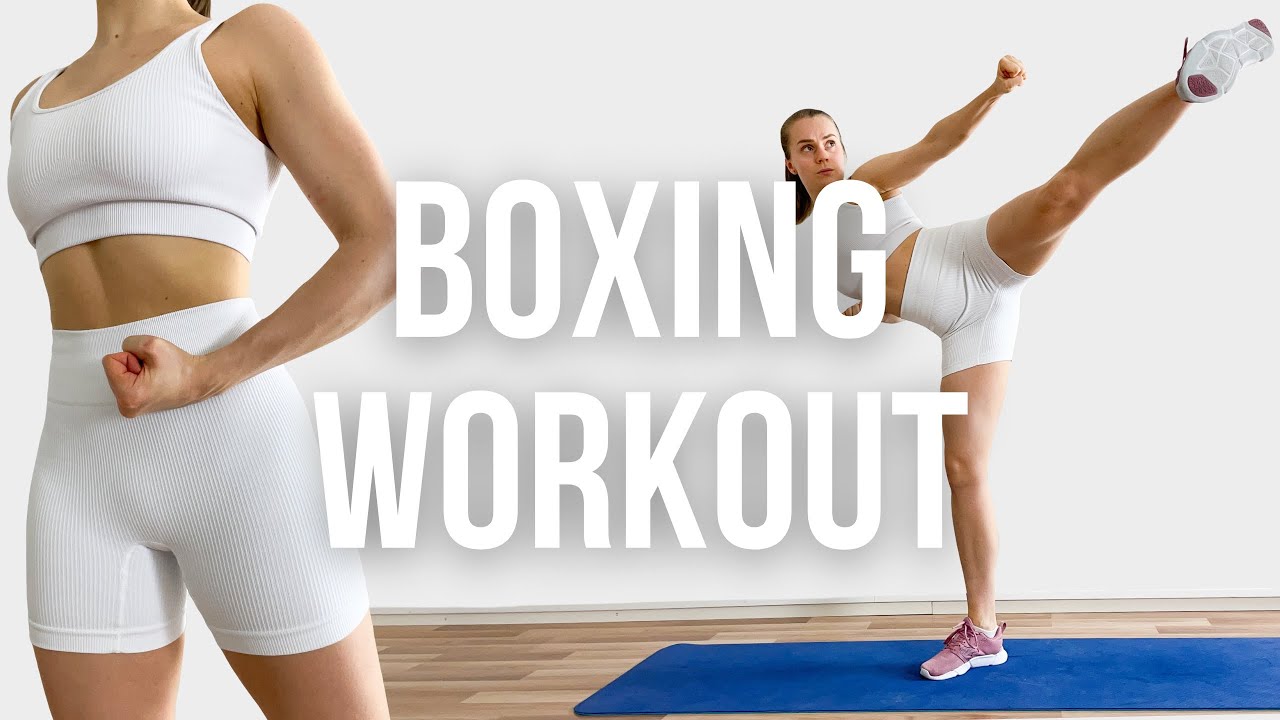
Boxing Workout at Home
Boxing workout at home include exercises like bicycle crunches and side planks. These moves help strengthen your core and improve your balance.
What Is a Boxing Workout?
Boxing requires lower- and upper-body strength for quick footwork and strong punches. A boxer may complete various aerobic (cardio) and muscle-strengthening exercises. A boxing workout might include various exercises that build endurance while increasing muscle mass. This type of workout can also include kickboxing and shadowboxing moves, such as various punches and kicks.
You might require certain equipment for a boxing workout, such as a jump rope, gloves, and punching bags. The following workout doesn’t require any equipment, and you can do it from the comfort of your own home.
Benefits of Boxing Workout at Home
There are several possible benefits of doing a boxing workout, such as:
- Can improve agility and speed: Boxers must react quickly to attacks, so a boxing workout typically includes speed training. This type of exercise can teach you to be quick on your feet.
- Enhances balance and stability: Muscle-strengthening exercises build and maintain bone and muscle mass, which are essential for balance and stability.
- Improves cardiovascular health: A boxing workout can get your heart pumping, which can decrease your heart disease risk. Elevating heart rate through exercise helps the body deliver blood and oxygen to the muscles efficiently.
- Provides a full-body workout: This type of workout combines several muscle groups, helping you strengthen your lower and upper body.
The 8-Move Boxing Workout at Home
This boxing workout includes the following eight moves:
- Sit-up with a twist
- Alternating hands plank
- Accordion side crunch
- Russian twists
- Side plank
- Bicycle crunches
- Alternating leg with ball pass and seated underhand pass
- T-push-up
1. Sit-Up With a Twist
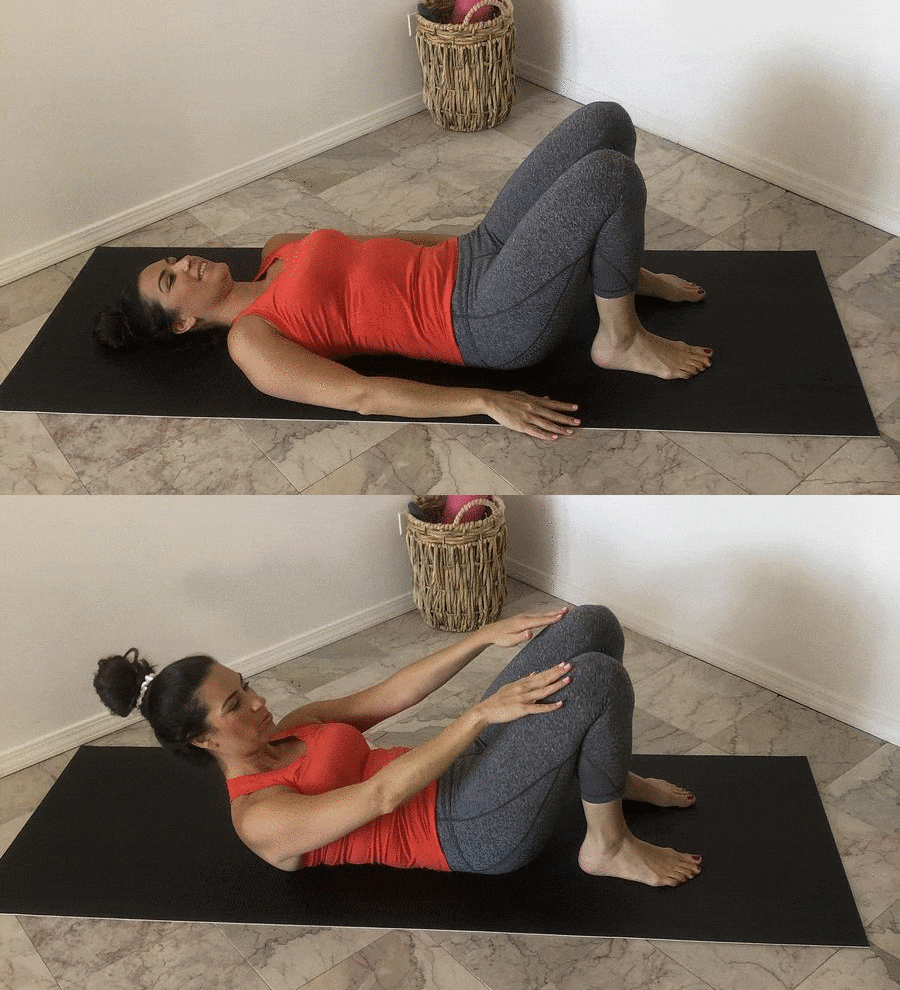
This full-core movement works your upper and lower ab muscles and then fires up your obliques during the twist. This sit-up variation of a Russian twist strengthens rotational core movement and improves your ability to generate power from the core.
Here’s how to do a sit-up with a twist:
- Starting on your back, roll up into a sit-up. Keep one leg extended and one foot pressed into the floor, knee bent.
- Explosively twist to the side, bringing your opposite elbow to the bent knee
- Do this 15 to 20 times, then switch to the other side
2. Alternating Hands Plank

This move challenges balance, coordination, and core strength. A strong core helps athletes and non-athletes have better balance and stability. This can help prevent falls and injury.
Here’s how to do an alternating hands plank:
- Start in a plank position
- Keep your weight resting on your left forearm. Slowly lift your right arm off the ground, reaching it out in front of you.
- Lower back down and alternate to the left arm. Do this 10 times with each arm.
3. Accordion Side Crunch
Strong obliques and other abdominal muscles may improve lower back pain. This isometric hold promotes core strength. The crunch tones your obliques and increases endurance. It also supports coordination between the upper and lower body.
Here’s how to do an accordion side crunch:
- Get into the side position
- Simultaneously crunch and pull your knees in, keeping your feet off the floor and focusing on your obliques
- Repeat this 15 to 20 times
4. Russian Twist
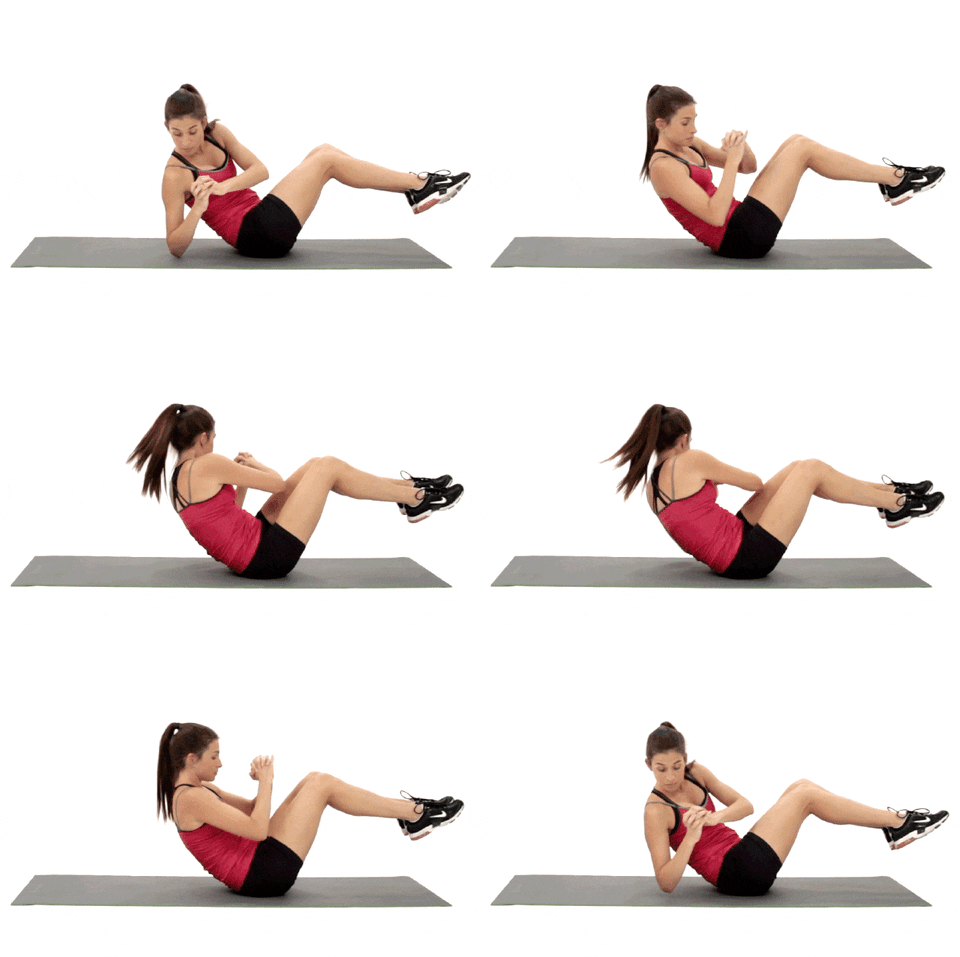
This classic ab move will improve your core rotational strength. This strength is important for maximizing power when throwing a punch.
Here’s how to do a Russian twist:
- Start in a seated position
- Explosively twist from one side to the other
- Aim to twist to each side 15 to 20 times
5. Side Plank
Side planks are vital for a boxer. The movement promotes core stability and shoulder girdle strength, crucial for throwing strong punches. Side planks are also good ab exercises since they don’t stress the lower back. Strong abs can help prevent lower back pain and injuries.
Related: How To Safely Do Your Side Plank Exercise
13 Plank Variations to Fire Your Core
Here’s how to do a side plank:
- Turn to one side with your legs extended and your feet and hips planted on the ground
- Put your elbow under your shoulder and push your abs and hips up until the top of your body forms a straight line
- Hold for 30 to 60 seconds. Return to the starting position, then move to the other side and repeat.
6. Bicycle Crunches
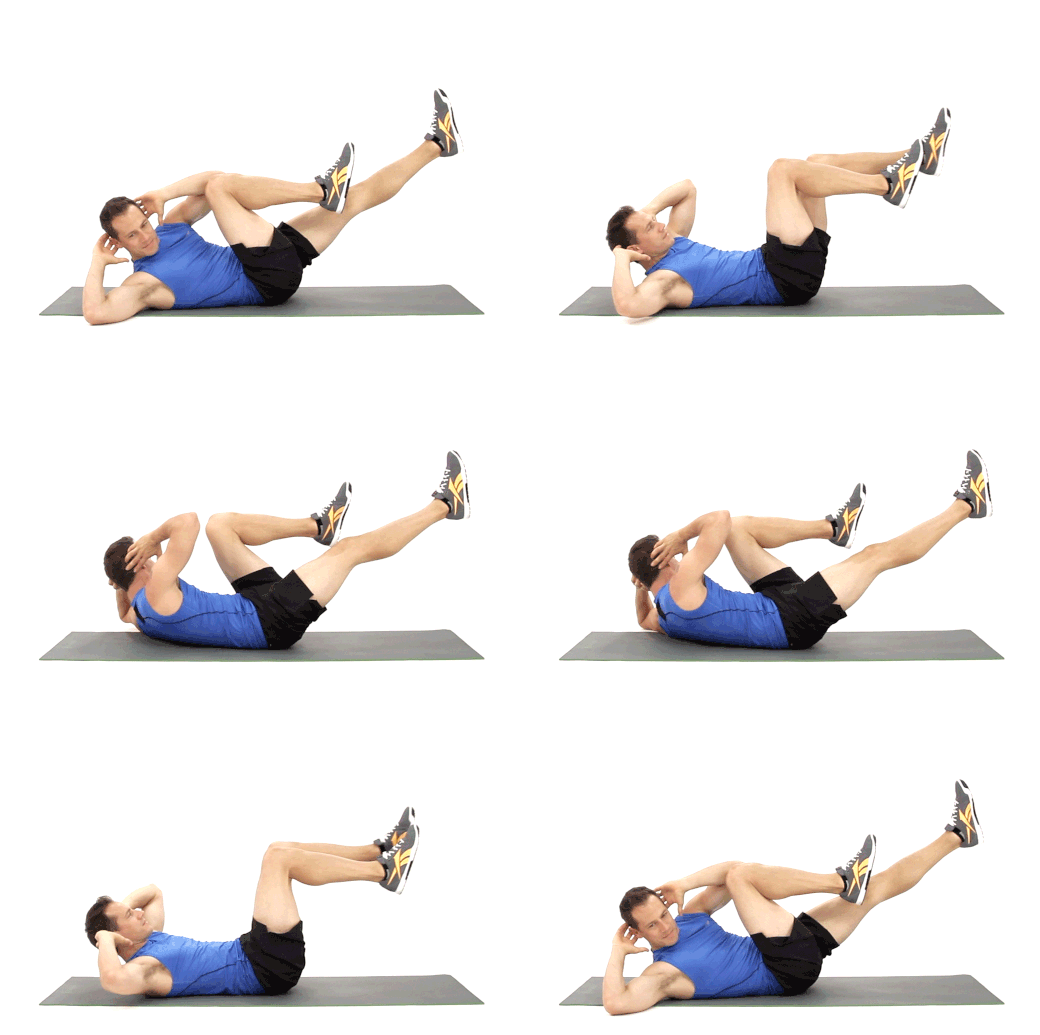
This move focuses on core stability while rotating the shoulders and incorporating the lower body. Bicycle crunches are great for everyone, not just boxers. It slims the waistline while improving strength, flexibility, and coordination.
Here’s how to do bicycle crunches:
- Begin by lying on your back with your hands behind your head
- Alternate, bringing each elbow to the opposite knee while maintaining a tight core
- Do 10 to 20 continuous crunches with each elbow. Rest and then repeat two to three times.
Recommended: 10 Stretching Exercises for Seniors for Full-Body Flexibility
7. Alternating Leg With Ball Pass
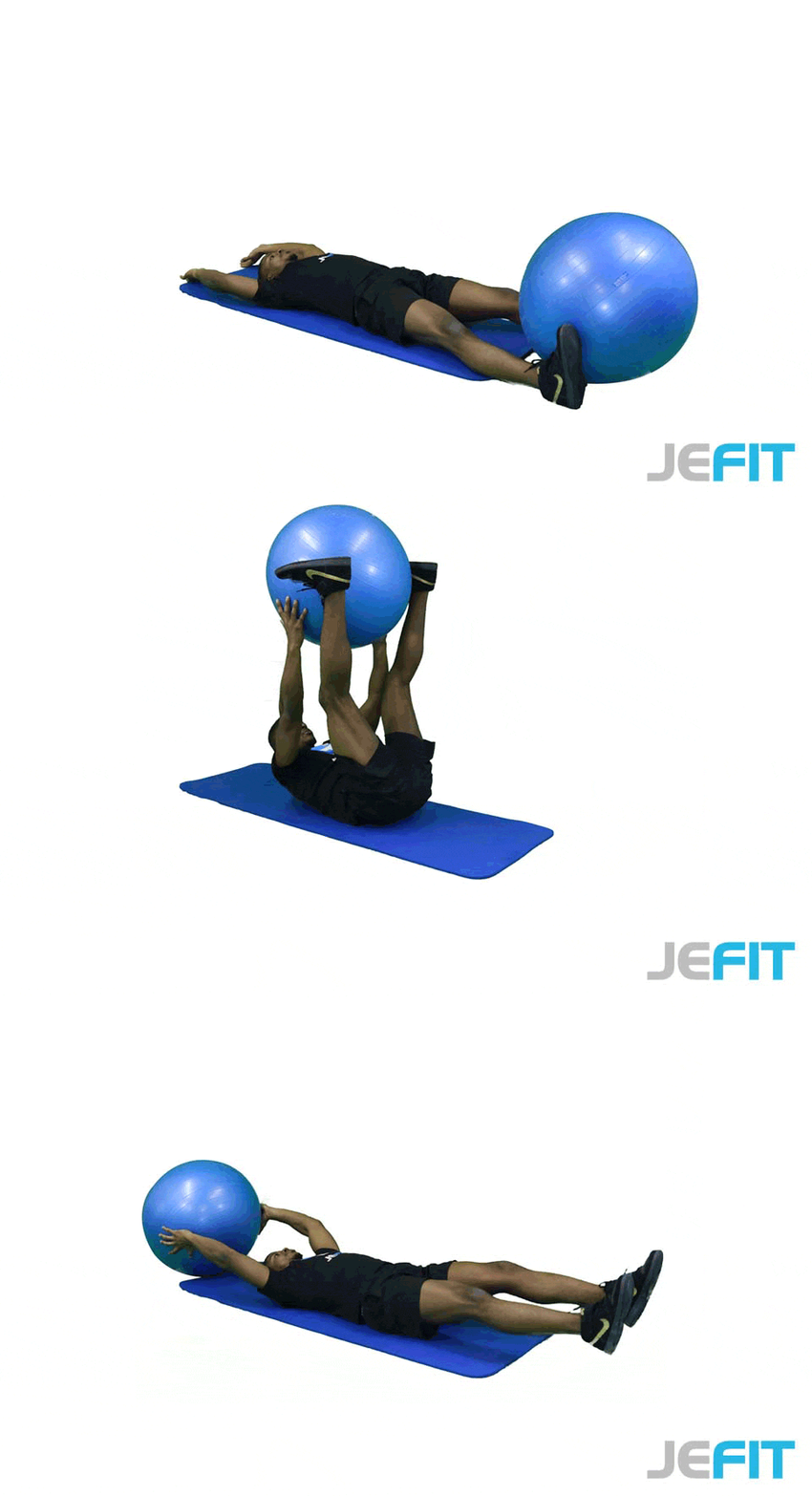
This exercise works your lower abdominals and promotes full-body coordination. Boxers will often explode out of a crouched position. Strong lower abs support this movement.
The seated underhand pass uses isometric holds to promote core strength and stability. It hones the hand-eye coordination necessary to be a great fighter.
Here’s how to do an alternating leg with ball pass and seated underhand pass:
- Get into a seated position with your feet off the ground
- Squeeze your abs and pull your knees in as you pass a weight (or medicine ball or an imaginary object) under your bent leg
- Repeat 20 times
8. T-Push-Up

Boxers experience a lot of shoulder wear and tear. The T-push-up helps you build core stability, posterior shoulder strength, and flexibility.
This push-up also works the anterior deltoid, vital for movement and power when punching forward. Having strong shoulders and chest muscles can help improve posture in non-boxers.
Here’s how to do a T-push-up:
- Begin in a standard push-up position. Lower your body slowly, as you would for a regular push-up.
- Turn to one side as you push yourself up, raising that side’s arm towards the ceiling
- Return your hand to the floor, then repeat on the other side. Do this 15 times on each side.
At-home boxing workouts are generally safe for most people. The Centers for Disease Control and Prevention (CDC) advises muscle-strengthening exercises, such as a boxing workout, two days per week. Consider talking to a healthcare provider before trying this workout if you have an injury or a respiratory disease like asthma. People who are pregnant or sick may also want to practice caution while doing a boxing workout. A healthcare professional can suggest modifications as needed.
Когда на первом месте стоят деньги и надежность, логично выбирать формат, в котором выплаты не зависят от случайностей и всегда приходят вовремя. Контрактная служба обеспечивает именно такую стабильность с прозрачными условиями и поддержкой. Используй возможность начать новый этап прямо сейчас: контракт югра
**backbiome**
Mitolyn is a carefully developed, plant-based formula created to help support metabolic efficiency and encourage healthy, lasting weight management.
This game is a blast! The simple yet addictive gameplay loop will keep you hooked for hours. With its challenging levels and satisfying progression, pipes flood puzzle is a must-play for anyone looking for a fun and engaging experience. Highly recommended!
Военная служба по контракту это четкий путь к стабильности и деньгам. Выплаты начисляются официально и без задержек. Условия службы известны заранее и фиксируются в контракте. Контракт исключает неопределенность и скрытые условия. Предусмотрены надбавки и дополнительные выплаты. Оформление проходит по правилам. Начни сегодня: контракт на военную службу рф
Военная служба по контракту с гарантированным доходом – это стабильность. Выплаты начисляются своевременно. Контракт оформляется добровольно. Условия закреплены. Подробнее об этом по ссылке: контракт на военную службу рф
Служба по контракту как профессия дает финансовую стабильность. Предусмотрены высокие выплаты. Условия фиксированы в договоре. Начать можно после отбора – служба по контракту югра
Служба по контракту позволяет начать службу на прозрачных условиях. Высокие выплаты и гарантии предусмотрены. Контракт заключается добровольно. Все этапы известны заранее: войсковая часть 84993
Контрактная служба открывает доступ к стабильным выплатам. Все начисления регулируются государством. Заключение контракта оформляется официально. Подать заявку можно в установленном порядке, контакт хмао
I like this web site so much, saved to fav. “Nostalgia isn’t what it used to be.” by Peter De Vries.
[…] 8 Best Exercises To Do a Boxing Workout at Home […]
нарколог вывод из запоя на дому в ростове [url=https://vyvod-iz-zapoya-v-rostove-2.ru/]vyvod-iz-zapoya-v-rostove-2.ru[/url] .